New plaster for homes becomes essential when walls and ceilings show visible deterioration affecting both aesthetics and structural integrity across Durham properties. Recognizing warning signs early prevents expensive repairs, protects property values, and maintains safe living environments. Plasterers Durham specializes in identifying plaster problems and delivering professional replastering solutions that restore smooth, durable surfaces throughout your home.
1. Visible Cracks Spreading Across Walls and Ceilings
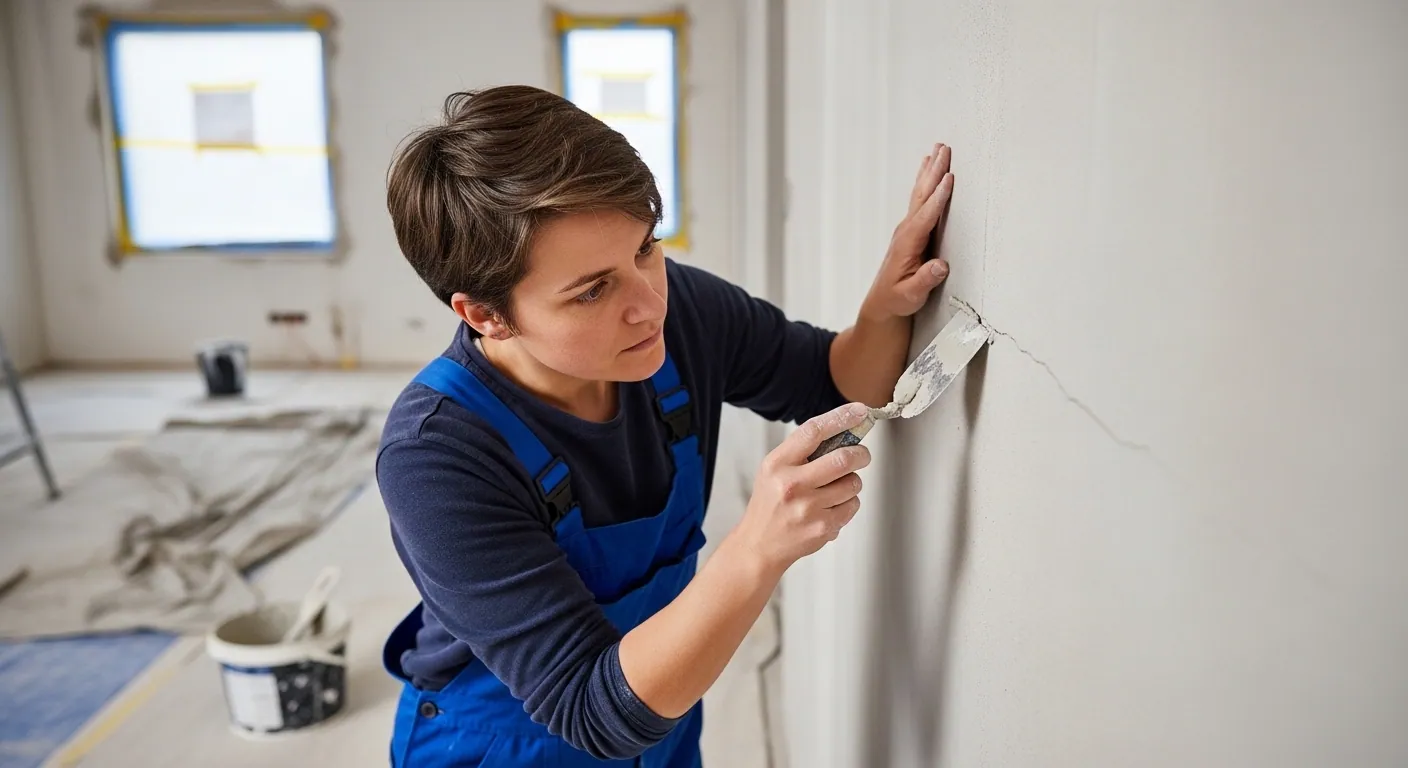
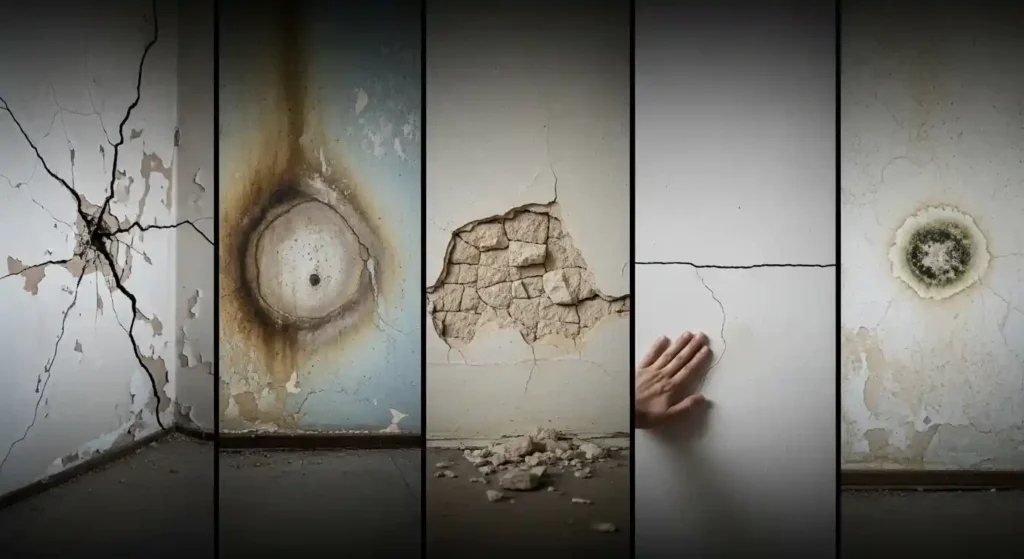
Hairline cracks measuring under 2mm often appear as plaster naturally settles, but widening fissures exceeding this threshold signal underlying problems demanding immediate attention. Structural movement creates stair-step patterns or horizontal splits particularly near corners and ceiling joints, indicating foundation shifts or timber frame expansion requiring professional assessment. Plaster separation from underlying substrates allows cracks to deepen progressively, with gaps widening by 30% or more annually when left untreated.
Temperature fluctuations cause expansion and contraction cycles that stress aging plaster, creating networks of interconnected cracks resembling spiderwebs across large wall sections. Impact damage from furniture strikes or door collisions generates localized cracking that spreads outward over months, compromising plaster adhesion in surrounding areas. Professional replastering addresses root causes while creating seamless surfaces that withstand daily stresses without recurring failures.
2. Damp Patches and Moisture Damage in Walls
Water Stains and Discoloration
Dark patches or yellowish staining on walls indicate moisture penetration from leaking pipes, roof problems, or rising damp affecting plaster integrity. Efflorescent salts appear as white crystalline deposits when water evaporates, leaving minerals that continue damaging plaster through hygroscopic action.
Bubbling and Flaking Paint
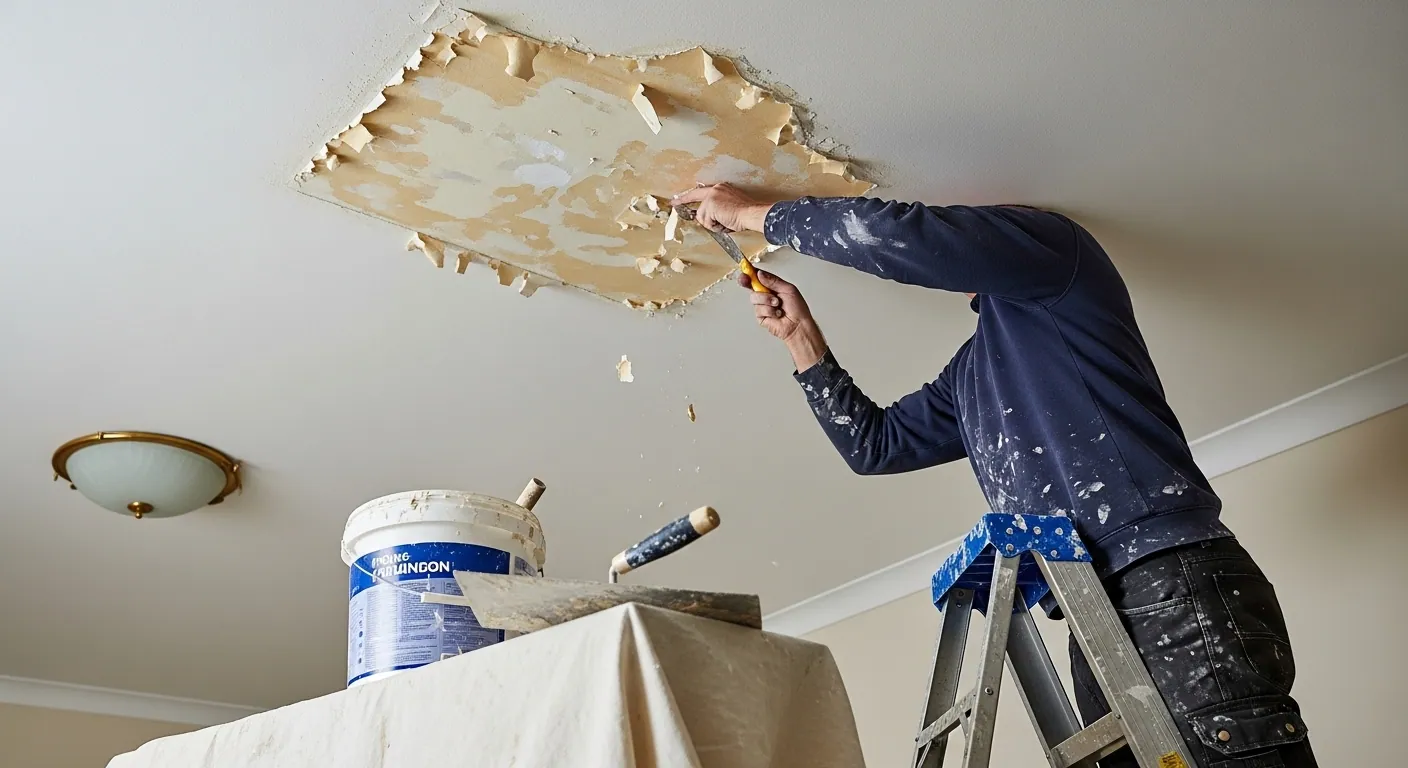
Paint bubbles form when trapped moisture pushes coating away from plaster surfaces, creating blisters that burst and expose degraded material underneath. Peeling paint indicates plaster has lost adhesion due to prolonged water exposure, requiring removal and replastering after damp treatment.
Mould Growth on Surfaces
Black mould colonies thrive on damp plaster, releasing spores that trigger respiratory problems and allergic reactions while causing further material deterioration. Musty odors emanate from fungal growth within saturated plaster, persisting even after surface cleaning attempts.
Compromised Structural Integrity
Saturated plaster loses load-bearing capacity as water softens bonding compounds, creating sagging sections particularly dangerous on ceilings where collapse risks increase. Damp proof plaster installation becomes necessary after treating underlying moisture sources to prevent recurring damage from salt migration.
3. Hollow Sounds Indicating Plaster Delamination
Tapping walls reveals hollow sounds where plaster has separated from brick, block, or lath substrates, indicating adhesion failure that worsens progressively. Delamination reduces wall strength by 40% or more, creating unstable surfaces that may detach without warning. Push testing demonstrates movement when gentle pressure causes plaster to flex noticeably, confirming separation requiring complete removal and replacement.
Thermal bridging accelerates where detached plaster creates air gaps acting as insulation voids, increasing heating costs while cold spots encourage condensation formation. Sound transmission increases through delaminated sections as air spaces amplify noise transfer between rooms. Professional new plaster for homes services ensure proper substrate preparation and adhesion techniques preventing future separation.
Also Read: Is It Better to Remove or Skim Over Artex?
4. Sagging or Bulging Areas on Ceilings
Plasterers Durham addresses serious safety hazards when ceiling plaster loses structural integrity through moisture damage or aging.
- Visible bulges indicate plaster pulling away from ceiling lath or plasterboard, creating immediate collapse risk requiring urgent professional intervention
- Sagging sections demonstrate gravity overcoming weakened adhesion, with deflection exceeding 10mm signaling imminent failure
- Cracking patterns radiating from bulges reveal stress concentrations where material separates progressively from supports
- Water damage from roof leaks or plumbing failures saturates ceiling plaster, adding weight that accelerates sagging toward critical failure points
- Age deterioration affects plaster over 50 years old as bonding compounds break down chemically, losing adhesive properties regardless of visible condition
Emergency replastering prevents injuries and additional damage when falling plaster destroys furnishings, floors, and creates dangerous debris fields.
5. Uneven Surfaces and Poor Finish Quality
Rough textures from previous patching attempts create shadowing under lighting that highlights imperfections, particularly problematic when painting or applying wallpaper. Dips and waves across wall surfaces indicate improper initial application or settling over decades, preventing achievement of modern smooth finishes. Inconsistent areas where multiple repairs created patchwork appearances diminish home aesthetics and complicate decorating projects.
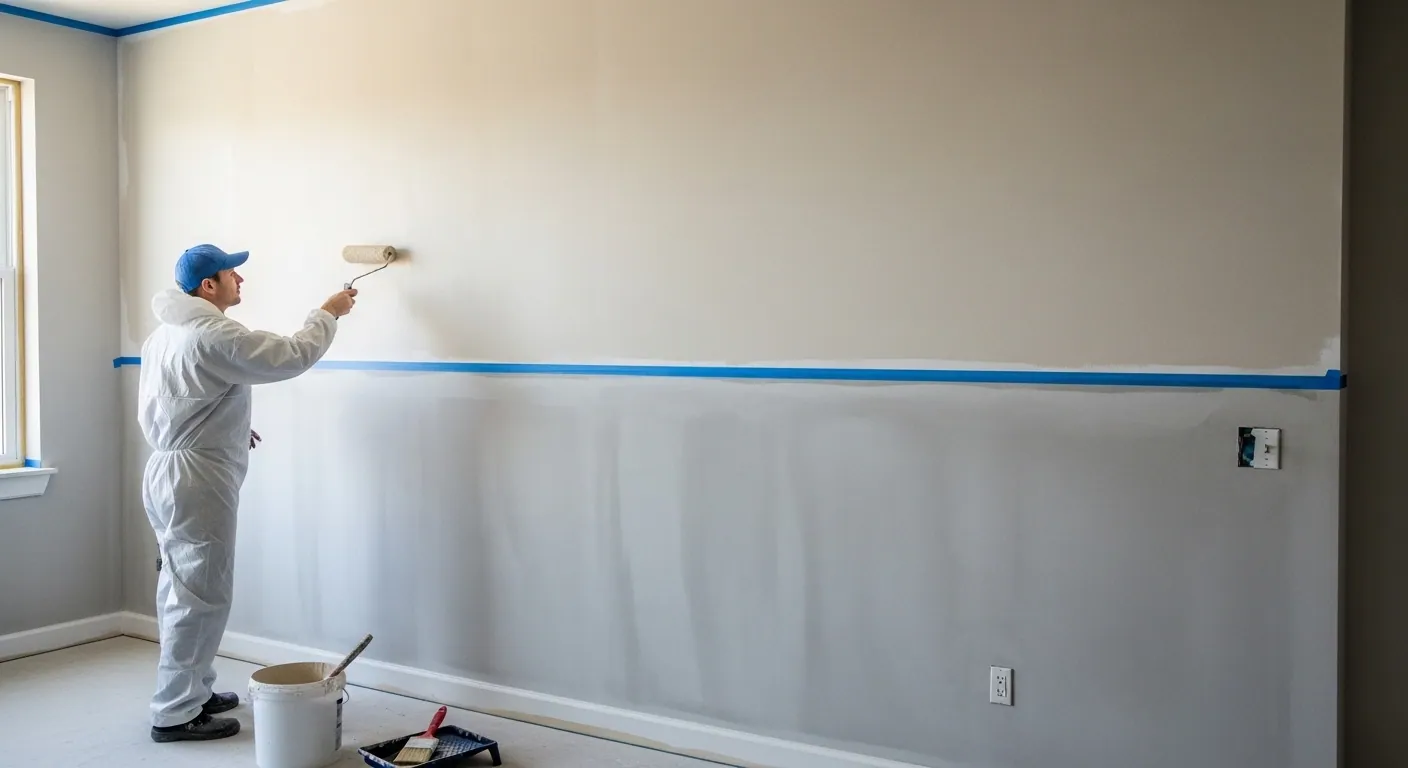
Outdated finishes including textured coatings popular decades ago reduce property appeal and market value compared to contemporary smooth plaster standards. Surface preparation becomes impossible on severely uneven plaster, with paint and wallpaper accentuating rather than concealing underlying problems. Professional skim coating or full replastering creates level surfaces meeting current standards for paint adhesion and visual perfection.
When Professional Plastering Services Become Essential
New plaster for homes requires expert assessment when warning signs indicate problems beyond simple cosmetic repairs requiring comprehensive solutions.
Multiple symptoms appearing simultaneously suggest systemic failures needing complete replastering rather than piecemeal patching that wastes money. Renovation projects provide ideal timing for addressing plaster issues comprehensively before investing in decoration that highlights underlying problems. Persistent dampness creating cold spots or condensation demands moisture treatment followed by replastering with damp-proof materials.
Safety concerns including sagging ceilings or large detached sections require immediate professional intervention preventing injuries and additional damage. Property modernization efforts benefit from fresh plaster creating contemporary smooth finishes that enhance resale value and buyer appeal. Structural modifications including wall removal or new openings necessitate professional plastering ensuring proper integration with existing surfaces.
Plasterers Durham serves homes throughout County Durham with transparent quotes, quality materials, and experienced tradespeople delivering lasting results.
FAQs About New Plaster for Homes
How Long Does New Plaster Take to Dry Completely?
Fresh plaster requires 4 to 6 weeks for complete drying depending on thickness, ventilation, and ambient humidity levels. Painting too early traps moisture causing blistering and adhesion failures, while proper curing ensures optimal paint performance.
Can I Plaster Over Existing Damaged Plaster?
Minor damage accepts skim coating over sound substrate, but extensive cracking, delamination, or damp damage requires complete removal to bare walls. Plastering over compromised surfaces wastes money as underlying problems continue worsening and telegraph through new work.
What Causes Plaster to Crack After Installation?
Rapid drying from excessive heat or poor ventilation creates shrinkage cracks, while structural movement, vibration, or inadequate substrate preparation also trigger cracking. Professional techniques including proper mixing ratios and controlled drying prevent these issues.
How Much Does Replastering a Room Cost in Durham?
Replastering costs vary by room size, plaster type, ceiling height, and damage extent. Plasterers Durham provides free assessments with detailed quotes covering preparation, materials, labour, and cleanup for complete transparency.
Is Replastering Messy and Disruptive?
Yes, replastering generates dust and requires furniture protection, though professional contractors minimize disruption through containment measures and efficient work scheduling. Most single rooms complete within 2 to 3 days including drying time between coats.