Old ceiling plaster often looks serviceable until renovation work begins. Hairline cracks, staining, or subtle sagging usually reveal themselves only once preparation starts. At Plasterers Durham, this is one of the most common concerns raised during inspections, particularly in older homes with a history of patch repairs and repainting.
Removing old plaster is not automatically required, but leaving failing material in place creates long-term problems. The correct decision depends on structural stability, moisture history, and whether the existing plaster can safely support new finishes without breaking down.
Which Issues Cause the Need to Remove Old Plaster from Ceilings Without Delay?
Old plaster almost always gives warning signs before complete failure. These signs indicate that the ceiling may no longer support its own weight or accept new plaster reliably. Identifying them early prevents repeat repairs and surface breakdown.
Loss Of Adhesion to The Substrate
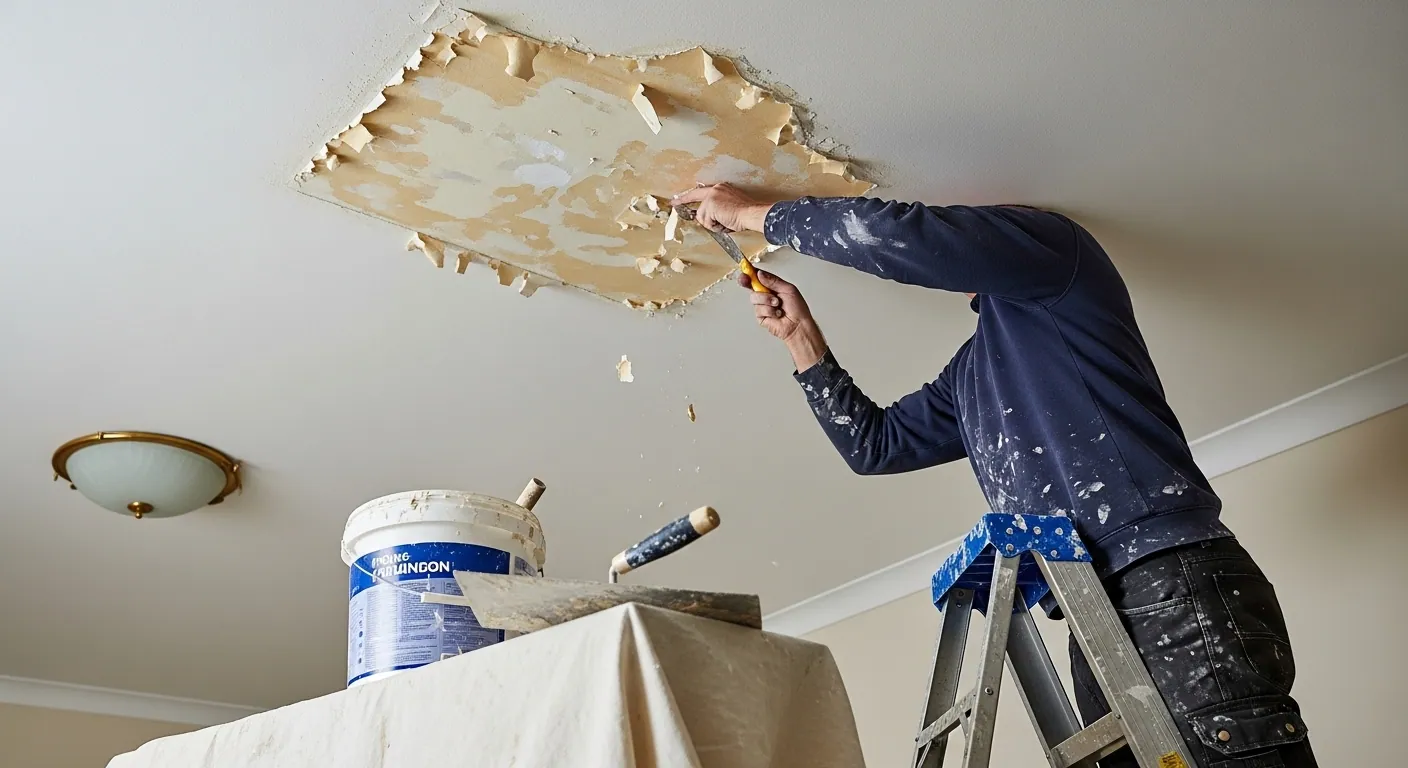
When plaster detaches from the ceiling background, clear adhesion failure indicators appear. Hollow sounds when tapped, sagging sections, and fine cracking all suggest the plaster has lost its bond and is no longer secure.
Structural Fatigue and Repeated Movement
Over time, ceilings experience minor movement that leads to microcracking formation inside the plaster. These internal weaknesses eventually surface and reduce overall finish quality.
When both conditions appear together, removal is usually the only dependable solution.
Where Does Removing Old Plaster Fit into Professional Plastering Work?
Removing old plaster is part of correct surface preparation, not an unnecessary extra step. It allows accurate inspection of the substrate condition before any new materials are applied.
In professional plastering work, removal ensures new ceiling plaster or a skim coat cures evenly and bonds correctly. Without a stable base, even well-applied plaster may crack, blister, or stain later.
- Improves bonding reliability
- Reduces moisture-related defects
- Extends the lifespan of the finish
This is why an experienced plastering contractor may recommend removal early in the project.
Why Does Dampness Force the Removal of Old Plaster from Ceilings?
Damp changes how plaster behaves internally, even if the surface feels dry. Moisture interferes with humidity-driven curing behavior, weakening the plaster from within.
Repeated exposure causes plaster expansion–shrink response, which leads to hidden fractures and uneven strength across the ceiling. Applying new plaster over damp-affected areas often results in staining, cracking, or paint failure.
At Plasterers Durham, damp ceilings are treated cautiously because removal is often the only reliable way to restore stability and prevent recurring defects.
Also Read: How Long Does It Take to Plaster a Ceiling?
Is It Normal to Remove Old Plaster from Ceilings During Renovations?
Removing old plaster is common during full renovation projects, especially in older properties. Ceilings often hide previous repairs and movement that affect how new plaster performs once applied.
- Multiple Repair Layers
Older ceilings frequently contain stacked repairs that create uneven surface porosity levels, affecting drying speed and finish consistency. - Historic Movement Damage
Past structural movement leaves behind localized shrinkage distortions that reappear through fresh plaster if the old material remains. - Alignment And Leveling Issues
Old plaster can interfere with achieving straight, flat ceilings during renovation work.
In renovation projects, removal is usually a preventative step rather than a reaction to failure.
How Can You Improve the Process of Removing Old Plaster from Ceilings?
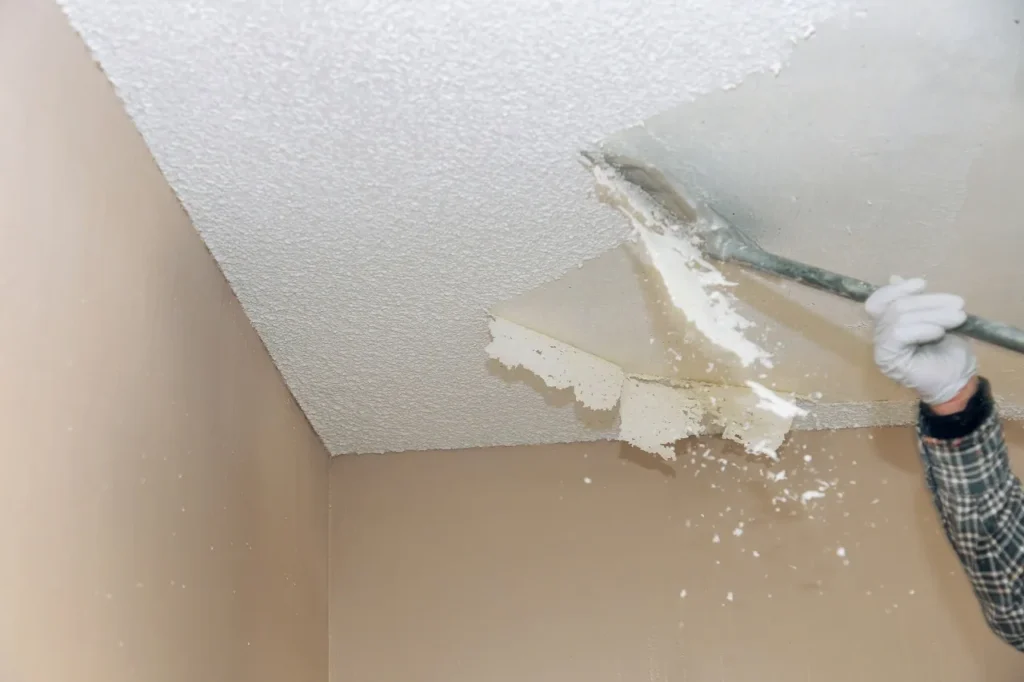
Removing plaster involves more than breaking material away. A controlled process protects the structure beneath and supports reliable replastering. Care at this stage directly affects long-term performance.
- Control Dust and Debris Carefully
Old plaster breaks unpredictably due to material setting kinetics and internal weakness. Controlled removal limits damage and improves safety. - Inspect The Substrate Immediately After Removal
Checking for moisture damage and substrate suction variation helps identify bonding risks early and prevents repeat failure. - Stabilise The Surface Before Replastering
Correct preparation reduces uneven drying signatures and allows new plaster to cure evenly.
A careful approach improves safety, consistency, and ceiling durability.
When Should Old Plaster Be Removed from Ceilings Before Painting?
Paint problems often reveal deeper ceiling issues rather than paint failure itself. Removing old plaster before decorating may be necessary to achieve a lasting finish.
Persistent Paint Failure
Peeling or discoloration often results from evaporation-phase inconsistencies inside the plaster. Trapped moisture pushes paint off over time and creates patchy sheen.
Visible Patch Repairs
Old repairs absorb moisture unevenly, leading to poor edge feathering precision that remains visible even after repainting.
Recurring Moisture Marks
Stains that return indicate unresolved damp. Removing old plaster allows full plaster integrity assessment before decoration begins.
Is It Normal to Remove Old Plaster from Ceilings for a Smooth Finish?
A smooth ceiling relies on a stable background capable of handling pressure during skimming. Weak plaster disrupts surface compression timing, causing drag marks and visible imperfections.
Ceilings showing texture or trowel ridge development often cannot be corrected by skimming alone. Removal allows modern materials to perform correctly, which is why this approach is common in older homes inspected by Plasterers Durham.
FAQs About Removing Old Plaster from Ceilings
1. Do I Always Need to Remove Old Plaster from Ceilings?
No, removal is not always required. If plaster is dry, well bonded, and structurally sound, it can usually be skimmed over safely without compromising durability.
2. How Can I Tell If Ceiling Plaster Is Loose?
Loose plaster often sounds hollow when tapped, shows sagging, or develops cracks that reappear after repair, indicating loss of bond with the ceiling surface.
3. Can I Plaster Over Old Ceiling Plaster Instead of Removing It?
Yes, but only when the plaster is stable and dry. Proper surface preparation and bonding control are essential to prevent cracking or uneven drying later.
4. Should Damp Ceiling Plaster Always Be Removed?
In most cases, yes. Damp weakens plaster internally and affects adhesion, making removal the safer option before new plaster or paint is applied.
5. Is Removing Ceiling Plaster Very Disruptive?
Removal can be dusty, but controlled methods significantly reduce disruption and help protect surrounding areas during the process.
6. Do I Need to Remove Old Plaster Before Painting a Ceiling?
Only if paint keeps peeling or stains return. Removal helps resolve the underlying issue rather than repeatedly covering symptoms.
7. Is Plaster Removal Common in Older Houses?
Yes, older homes often contain multiple repair layers and historic movement damage, making plaster removal a common and practical solution.