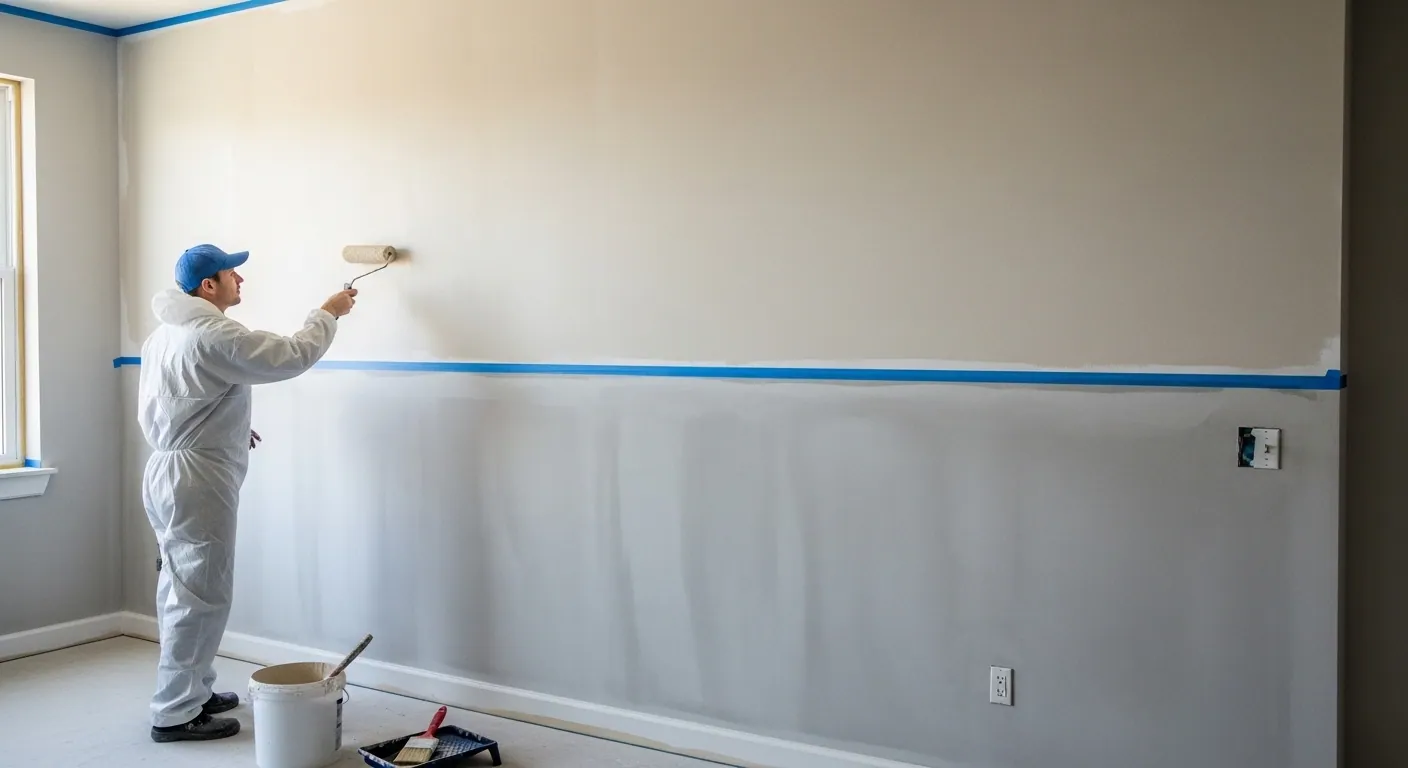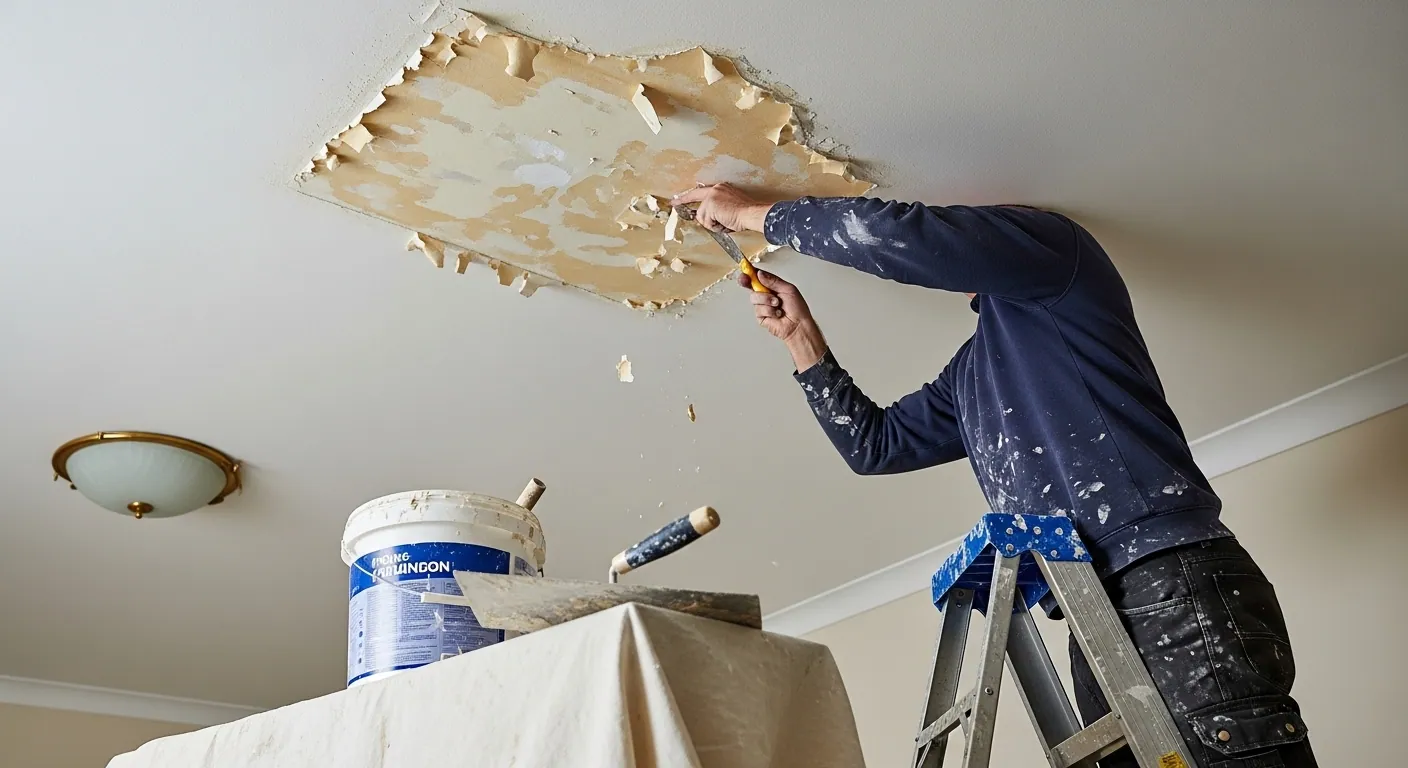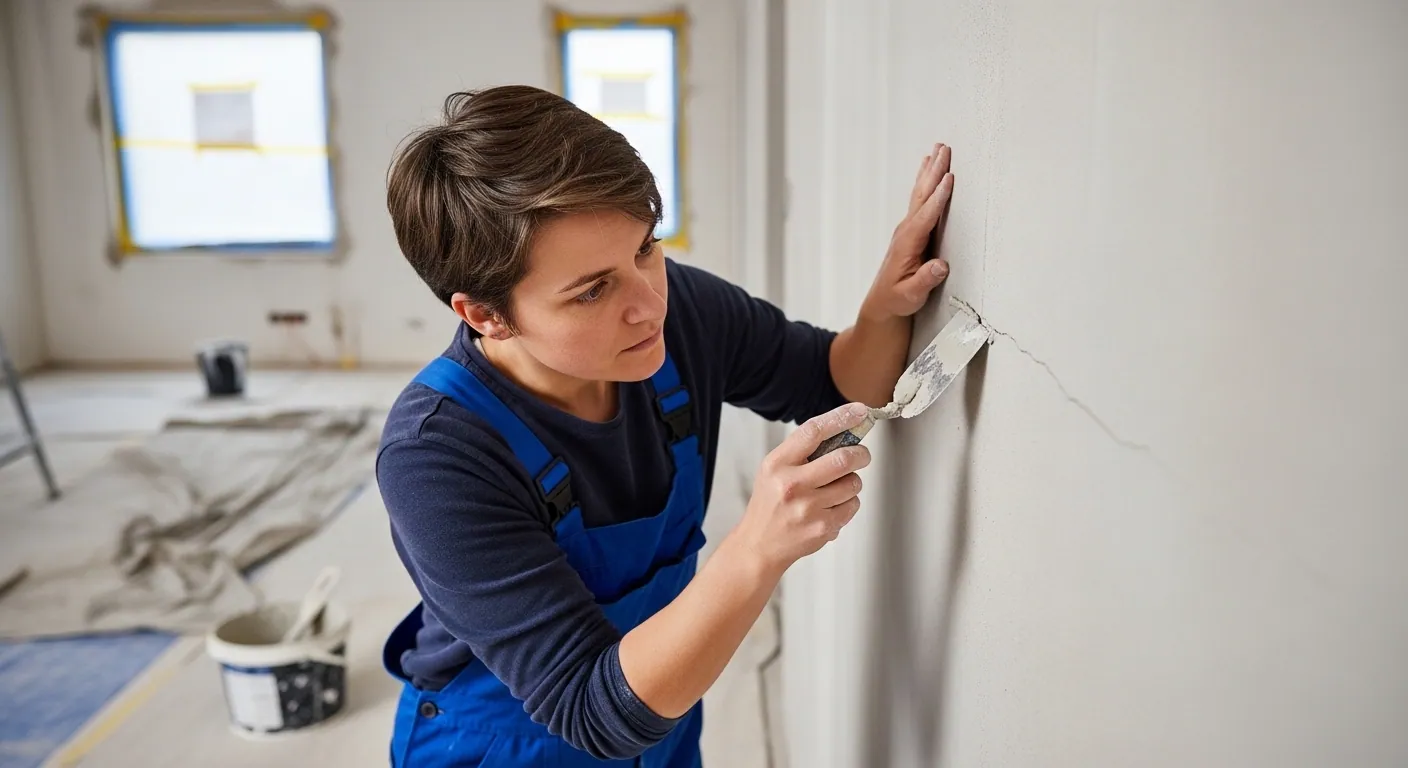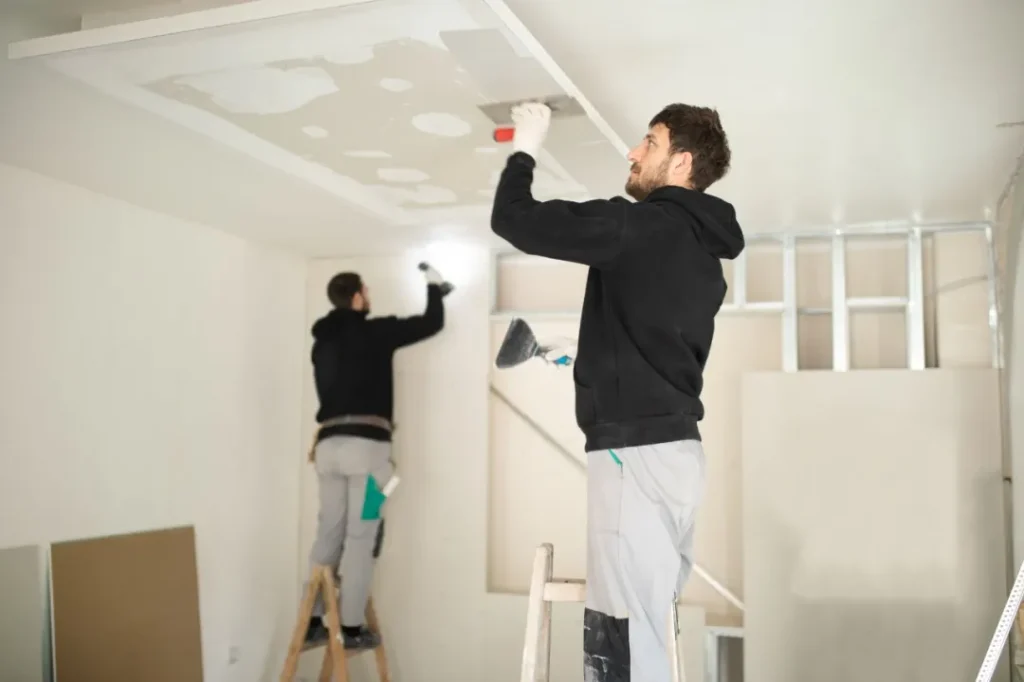
Plastering a ceiling often appears straightforward, but the time involved depends on much more than application alone. Preparation, surface condition, and environmental control all influence how long the process actually takes. Homeowners usually ask when painting can begin, while professionals focus on curing stability and long-term finish quality. At Plasterers Durham, this is one of the most common questions raised during site visits.
A ceiling is not plastered in a single stage. Each step, from preparation to drying, affects how long the ceiling remains workable and when it becomes safe to decorate without defects.
What Affects How Long It Takes to Plaster a Ceiling Before Painting?
Several underlying conditions determine how long a plastered ceiling needs before it is ready for paint. These factors influence both working time and the curing process.
Ceilings rarely behave the same way, even within the same property. Variations in background material, temperature, and airflow all affect how moisture moves through the plaster.
Surface Preparation and Substrate Condition
Ceilings with uneven surface porosity levels absorb moisture inconsistently. This disrupts moisture distribution patterns and causes some areas to remain darker and softer for longer.
Room Temperature and Ventilation
Low temperatures slow gypsum crystallization behavior, while poor airflow increases evaporation-phase inconsistencies, delaying paint readiness.
How Do Professionals Handle Ceiling Plastering Time in Plastering Work?
Professional plasterers approach time as a controlled variable rather than something to rush. Their focus is on predictable setting behavior and consistent finish quality.
Before application begins, professionals assess substrate condition, room environment, and suction behavior. These checks reduce the risk of plaster tightening too early or remaining open too long.
At Plasterers Durham, timing decisions are guided by hydration stages, not the clock. This prevents trapped moisture and improves durability after decorating.
Read Article: Ceiling Plaster vs Plasterboard: Which Is Better for Renovations
How Do You Avoid Delays When Plastering a Ceiling?
Delays usually result from preparation mistakes or incorrect finishing timing. Preventing them starts well before plaster is mixed.
Ceilings require stability before application. Rushing preparation often adds hours later in reworking and correction.
Balanced Bonding and Suction Control
Uneven substrate suction variation causes patchy setting and extended flattening time. Proper bonding agents stabilize absorption.
Correct Trowel Timing
Using the two-pass trowel technique at the right moment avoids excessive reworking and prevents trowel ridge development.
Controlled Site Conditions
Managing ambient temperature influence keeps plaster within predictable setting limits.
What Triggers Longer Ceiling Plastering Times for Homeowners?
Homeowners often experience longer timelines due to conditions professionals routinely manage. These triggers are common in DIY and renovation work.
Many delays are not caused by plaster itself but by how the ceiling was prepared and handled.
- Insufficient Surface Preparation
Dust, old coatings, or loose material interfere with adhesion promoters, slowing curing. - Incorrect Mixing Ratios
Poor gypsum composition alters material setting kinetics, affecting working time. - Uneven Pressure During Finishing
Inconsistent surface compression timing traps air and creates bubble entrapment causes.
Can You Improve How Long It Takes to Plaster a Ceiling During Drying?
Drying time is often misunderstood. Faster drying does not mean better plaster. Controlled drying improves strength and appearance.
Plaster needs stable conditions to complete its curing cycle evenly without stress.
Manage Moisture Movement Carefully
Balanced moisture distribution patterns allow uniform curing and reduce defects.
Avoid Aggressive Heat or Airflow
Rapid drying causes localized shrinkage distortions and microcracking formation, extending repair time.
Allow Natural Curing Progression
Proper curing cycle progression strengthens plaster and reduces sanding later.
At Plasterers Durham, drying is treated as part of the plastering process, not an afterthought.
How Long Does It Take to Plaster a Ceiling That Meets Walls?
Ceilings that join walls introduce additional detail work. These junctions require precision and influence overall timing.
Changes in plane, material, and suction all affect how plaster behaves during setting.
Edge Blending and Junction Control
Clean ceiling lines depend on accurate blending. Poor edge feathering precision leaves visible marks after painting.
Material Interaction at Junctions
Differences in drywall substrate interaction affect setting speed and moisture release across surfaces.
Maintaining Level Accuracy
Achieving straightedge leveling accuracy across ceilings and walls takes additional time but improves visual results.
Is It Normal for Ceiling Plastering to Take Longer in Older Houses?
Older houses almost always extend plastering timelines. Hidden issues beneath the surface affect application and drying behavior.
Historic movement causes plaster expansion–shrink response, weakening adhesion and creating uneven suction zones.
At Plasterers Durham, older properties undergo plaster integrity assessment before work begins. This reduces unexpected delays and finish failure.
Typical Timeframes for Ceiling Plastering
Although each ceiling is different, most projects follow predictable ranges when conditions are controlled.
These timeframes assume correct preparation, stable temperatures, and adequate airflow.
- Preparation: one to two hours depending on ceiling condition
- Skim application: two to four hours for an average room
- Initial set: same-day flattening and finishing
- Drying before painting: twenty-four to forty-eight hours
Cold rooms, damp conditions, or older ceilings may extend these periods.
FAQs About How Long It Takes to Plaster a Ceiling
How Long Does It Take to Plaster a Standard Ceiling?
Most standard ceilings take one working day to plaster, followed by one to two days of drying before painting, depending on airflow and temperature.
Can A Ceiling Be Plastered and Painted on The Same Day?
No. Painting too early traps moisture, causing poor adhesion, dull patches, and surface failure over time.
Why Does Ceiling Plaster Sometimes Dry Unevenly?
Uneven drying is caused by suction differences, poor ventilation, temperature variation, or inconsistent plaster thickness.
Does Thicker Plaster Take Longer to Dry?
Yes. Thicker areas retain moisture longer and disrupt curing balance, making even skim thickness essential.
Do Older Ceilings Always Take Longer to Plaster?
Often yes. Repairs, movement damage, and variable suction slow application and drying stages.
Is Slow Drying Always a Problem?
Not always. Controlled slow drying is healthy, but excessive delays may indicate moisture or airflow issues.
How Can I Tell When a Ceiling Is Ready to Paint?
A ceiling is ready when it appears evenly pale with no dark patches, showing moisture has fully evaporated.