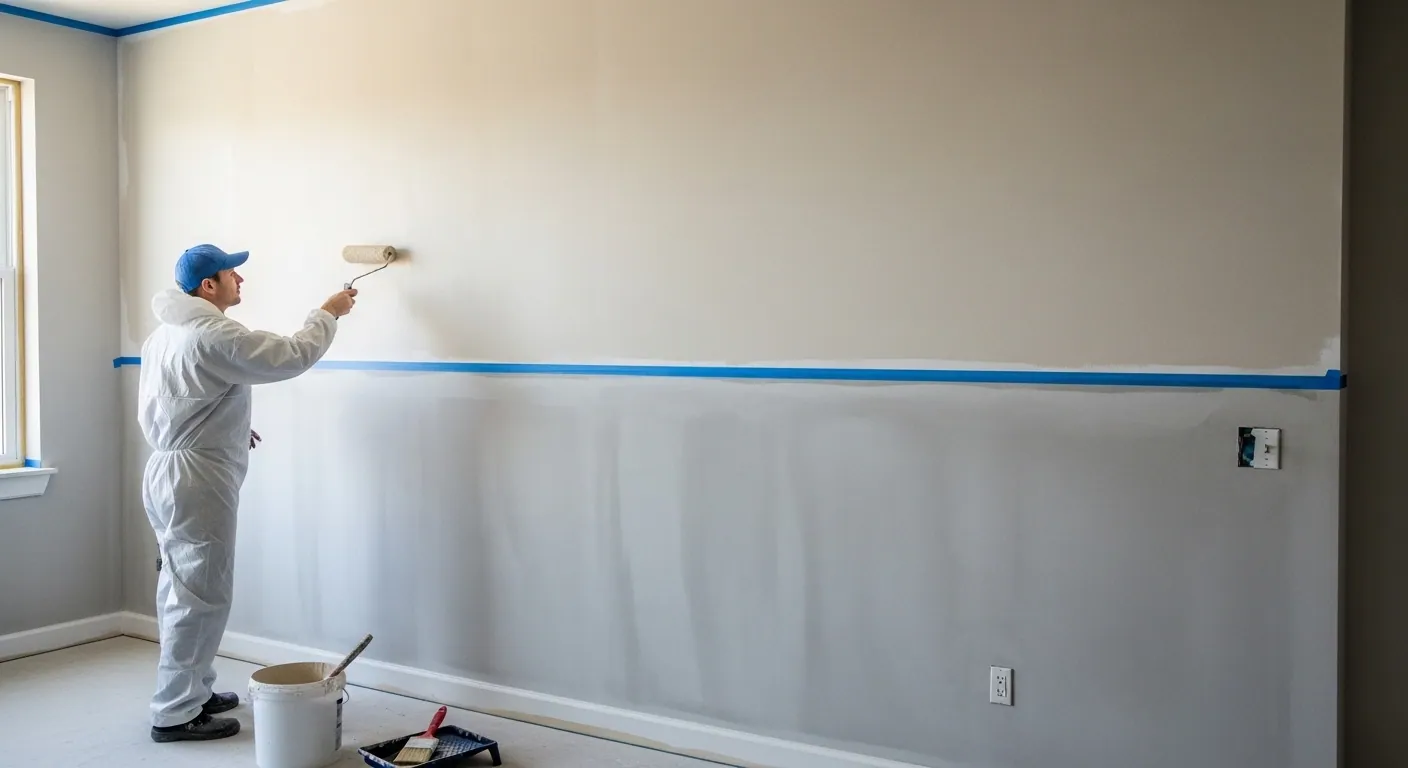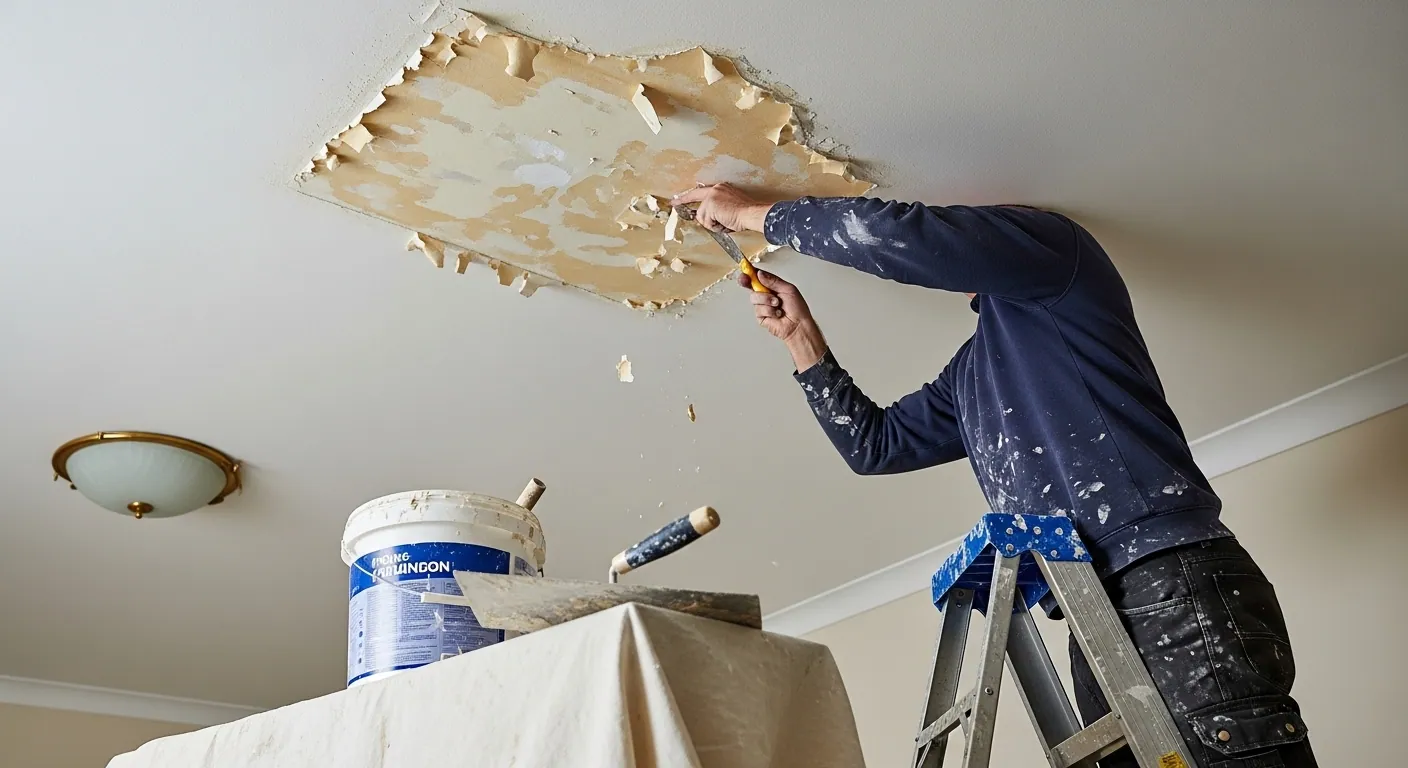
Most homeowners wait with bated breath for their walls to dry, expecting a mirror-smooth finish every time. I have seen that initial excitement turns to frustration when a stray trowel mark or a tiny hairline crack appears in the light. During my years working with Plasterers Durham,I have learned that even a perfect skimming job can face minor “drying out” hiccups. The truth is that fresh plaster is a living material that reacts to heat, airflow, and the suction of the underlying wall.
If you are looking for a flawless surface, you must tackle these defects before the first mist coat of paint. For small nicks or ridges, you are looking at roughly 20 to 40 minutes of careful work, but the curing time of your filler dictates the final result. This discrepancy exists because “invisible” variables like ambient humidity and surface porosity change how repair materials bond to the gypsum.
The Diagnostic Phase: Why 0 to 60 Minutes Matter
Before you grab the sandpaper, you are in the assessment phase. This is where most decorating disasters begin. I once watched a DIYer try to sand out blistering while the plaster was still “pink” and damp, resulting in a gouged, ruined wall. You should budget at least an hour to inspect the room with a high-intensity work light to catch crazing or undulations that the naked eye might miss.
The Inspection and Light Survey
Professional Plasterers Durham do more than just glance at the wall. They use side-lighting to reveal fatty edges or pitting. Expect a ten-minute walkthrough with a torch held parallel to the surface. This step is the essential foundation for any high-quality Plasterers Services Durham project, ensuring no snags remain before the decorators arrive.
Cracks vs. Crazing (The Great Delay)
If you find a network of tiny, web-like lines, you are dealing with crazing. This often happens if the multi-finish dried too fast. You must determine if these are surface-level or if the bonding coat has failed. If the plaster sounds “hollow” when tapped, you might be facing debonding, which requires more than just a quick fix.
Internal vs. External Imperfections
Most beading issues occur at the corners where the plasterboard meets. However, if the scrim tape was missed, a vertical crack will likely appear. I always recommend checking if the structural movement of the house is causing the issue. It takes five minutes but is vital to determine if you need a flexible filler or a full re-skim.
Securing Your Repair Materials
Top-tier fillers are not all created equal. Most reputable Plasterers Services Durham teams prefer fine-surface fillers or joint compounds that offer minimal shrinkage. If a filler claims to be “one-strike,” ask yourself if it will truly feather out to a seamless edge. Rushing the material selection is a mistake I have seen lead to visible “patches” under the final paint.
Related Article: How Much Does It Cost to Plaster a Room in Durham?
Breaking Down the Fix: Where the Real Time Goes
Once the sanding block comes out, the rhythm of the work changes. For the first ten minutes, you will likely see a lot of dust as you remove the high spots. This is a strategic move to level the surface before adding any new material. By the thirty-minute mark, the feathering happens. This is the moment the repair blends into the habitable wall and becomes invisible to the touch.
The First Step: Sanding and Cleaning
During this phase, fine-grit sandpaper (180 to 240 grit) is your primary tool. If you are dealing with trowel ridges, this is the most physical stage. I have seen a “lumpy” corner push a project back by an hour simply because the plasterer didn’t use a sanding block to maintain a flat plane.
The Application: Filling and Smoothing
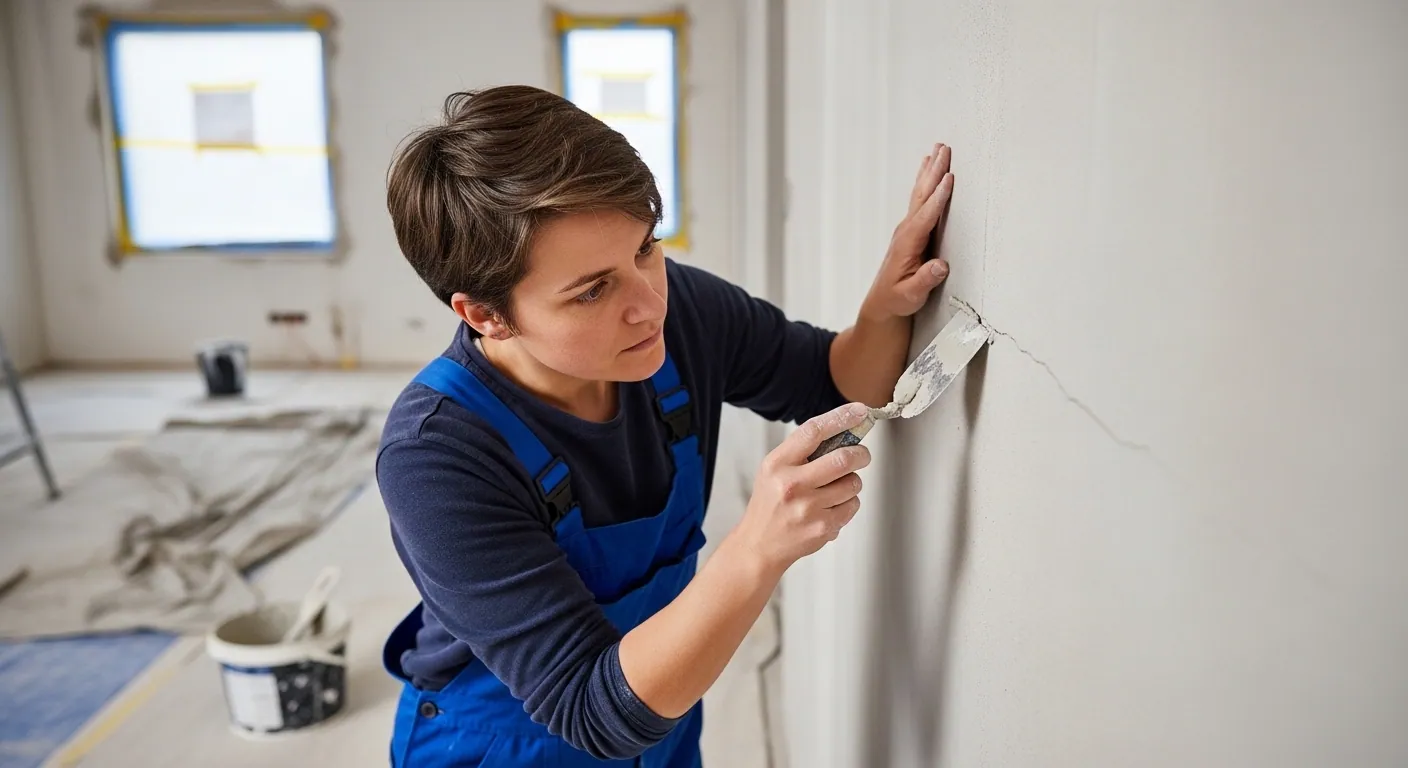
This is where the precision accelerates. The filler is pressed into hairline cracks, and a filling knife is used to scrape away the excess. You will start to see the final smooth finish during this period. At Plasterers Durham, we always run a final damp sponge over the edges to “melt” the filler into the surrounding plasterwork.
Typical Repair Times by Imperfection Type
| Defect Type | Repair Time | Complexity Level | Key Material |
| Trowel Ridges | 10 to 15 Mins | Low | 240-Grit Sandpaper |
| Hairline Cracks | 20 to 30 Mins | Medium | Fine-Surface Filler |
| Blisters/Bubbles | 40 to 60 Mins | High | Bonding Agent & Skim |
| Gouges/Impacts | 30 to 45 Mins | Medium | Ready-Mixed Filler |
Calculation Basis: These figures reflect active work minutes for a standard 4m x 3m room under dry conditions, excluding the drying time of the filler.
The Final Touch: Why the Last 10% Takes 30% of the Time
Here is what nobody tells you. The job is not finished when the crack is gone. It is finished when the texture matches perfectly.
The priming stage requires a dedicated focus. I once saw a homeowner paint directly over a repair, only to have the filler “flash” through the paint like a bright white scar. Patience during the mist coating phase is mandatory.
- Dust Removal (Minute 40): A tack cloth or damp microfibre is used to ensure the substrate is perfectly clean.
- Edge Feathering (Minute 50): A vital stage where the repair is sanded again to ensure no visible lip remains.
- Mist Coating (Minute 60): A visual check using diluted emulsion paint to confirm the porosity is even.
The site cleanup is the final hurdle. This is where you remove the plaster dust from the skirting boards and window sills. Never start your final topcoat until you have vacuumed every surface, as airborne dust will ruin a professional finish.
Operational Reality Check: 4 Quick Wins
The Light Factor
Expect to find more snags at sunset. Natural light hitting the wall at an angle reveals shadows that direct light hides.
The Wetting Rule
If a crack is deep, dampen it with a brush first. This prevents the dry plaster from “sucking” the moisture out of your filler too fast.
Unexpected Surface Finds
Efflorescence or damp patches can add days to your project. These indicate a moisture issue that a filler cannot solve.
Material Cure Times
Use fast-setting compounds for small nicks. This allows you to sand and prime within 30 minutes, keeping the Plasterers Services Durham timeline on track.
Common Obstacles and Expert Insight for a Smooth Wall
In my experience at Plasterers Durham, the biggest bottleneck is not the wall. It is the sandpaper grit. Using too coarse a grit will leave scratches that show up once the paint dries. I have seen projects stall for hours just because a homeowner used 80-grit paper on a delicate multi-finish surface.
The Utility Knife Trick
For a hairline crack, use a knife to slightly widen it into a ‘V’ shape. This gives the filler a “key” to grab onto, preventing it from falling out.
Proactive Ventilation Management
Keeping the room at a steady temperature prevents the plaster from shrinking unevenly and creating new tension cracks.
Conclusion: Planning for a Flawless Finish
Fixing small imperfections is rarely a one-step task. It is a technical finishing process that, when handled correctly by Plasterers Durham, elevates a room from “okay” to “show-home” quality. If you are starting your repairs today, assume a 2-hour window for the physical work. My best advice is to build in a half-day buffer for the filler to fully dry. You will likely need it for a stubborn corner bead or a final sanding pass.
Looking ahead, I expect UK Building Regulations to focus more on the breathability of internal finishes. This will likely increase the use of lime-based products, which might add more complexity to Plasterers Services Durham repairs in the coming years.