New plaster requires adequate drying time before painting or wallpapering to achieve professional results that last across Durham homes. Rushing decoration causes paint peeling, cracking, and costly remedial work that wastes time and money. Plasterers Durham explains essential waiting periods, drying indicators, and preparation techniques ensuring flawless finishes that enhance property aesthetics and value.
Understanding New Plaster Drying Times
Fresh plaster typically needs 4 to 6 weeks for complete drying, though skim coats over plasterboard may be ready within 7 days under optimal conditions. Moisture content must drop below 12% before painting, as higher levels prevent proper paint adhesion and cause bubbling or peeling. Plaster thickness dramatically affects timelines, with thin 2-3mm skim coats drying faster than thick backing coats requiring 7 to 21 days minimum.
Environmental factors including temperature, humidity, and ventilation significantly influence drying speed, with optimal conditions between 18-22°C and 50-60% relative humidity. Summer months offer faster drying compared to damp winter periods when UK humidity extends timelines by weeks. Room function matters too, with kitchens and bathrooms requiring extra drying time due to elevated moisture levels from daily activities.
Related Article: 5 Signs Your Home Needs New Plaster
How to Tell When New Plaster is Ready for Decoration
Visual Color Changes
Wet plaster appears dark pink, brown, or grey with visible damp patches contrasting against lighter sections. Dry plaster transforms to uniform pale pink or light cream color across entire surfaces, indicating moisture has fully evaporated.
Touch and Temperature Tests
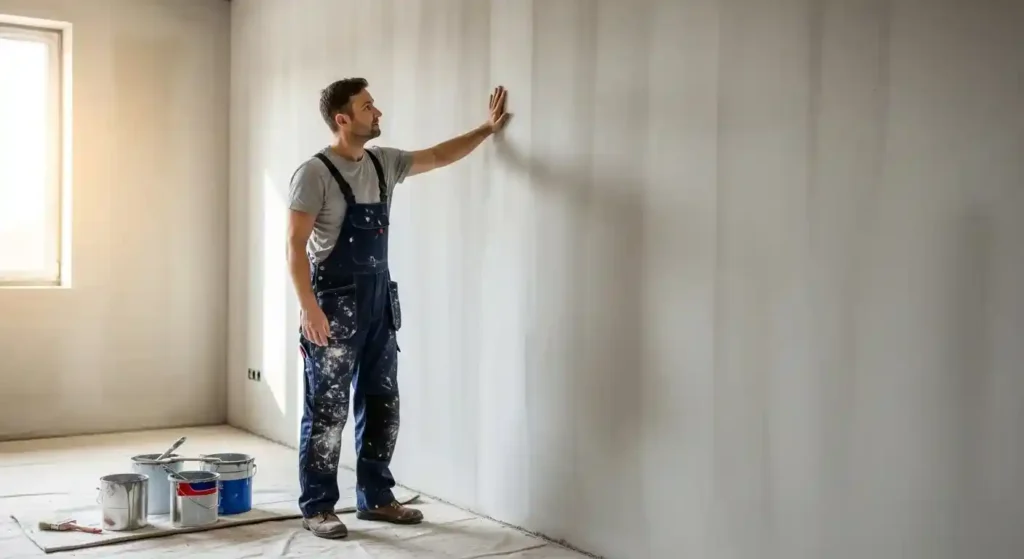
Completely dry plaster feels cool but not cold to touch, with consistent temperature throughout the wall or ceiling. Damp areas feel noticeably colder and may show slight moisture when pressed firmly.
Professional Moisture Testing
Moisture meters provide accurate readings, with values below 12% confirming readiness for decoration. Plastic sheet test involves taping clear plastic over small sections for 24 hours, with condensation underneath indicating insufficient drying.
No Visible Wet Patches
Dark spots or discolored sections anywhere on plastered surfaces mean additional drying time remains necessary before painting attempts. Uniform appearance without moisture variation signals proper curing completion.
What Happens If You Decorate Too Soon
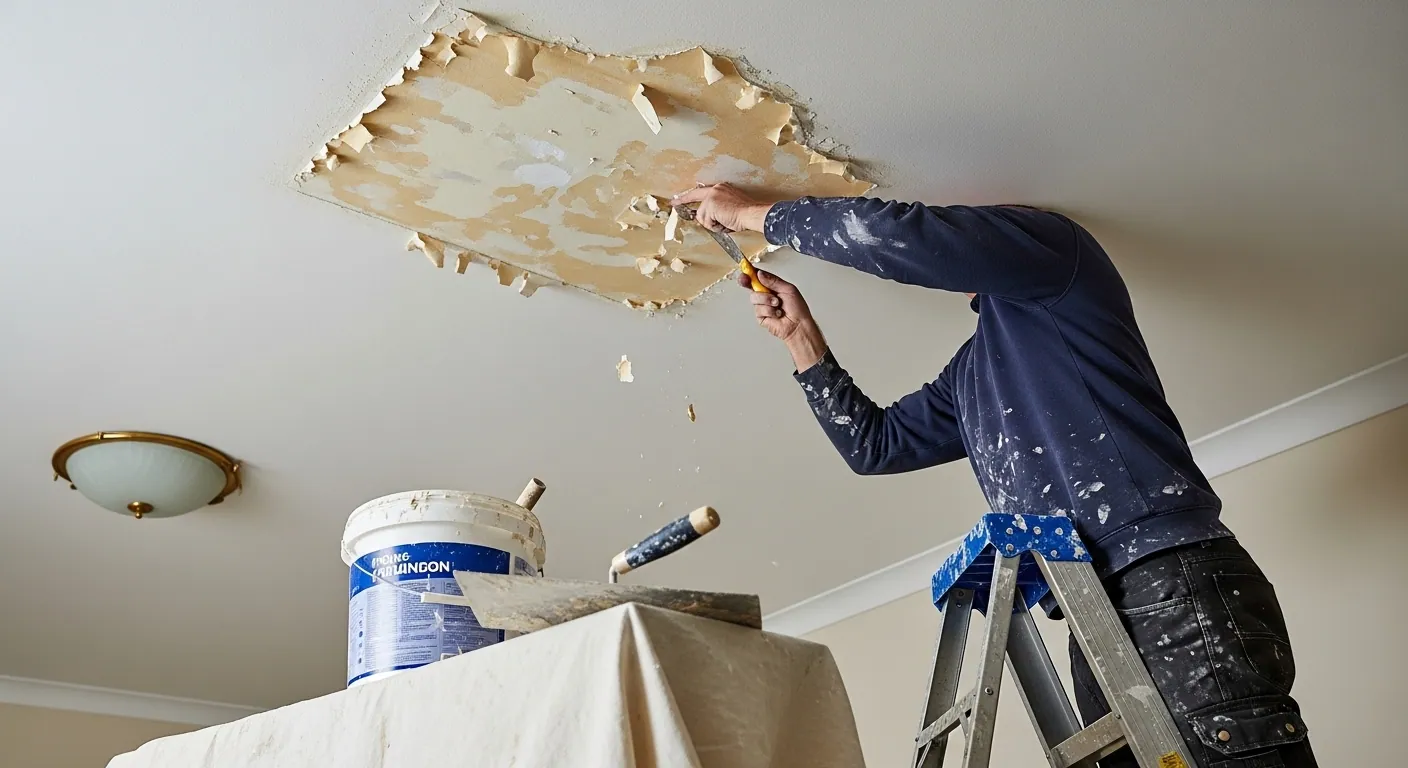
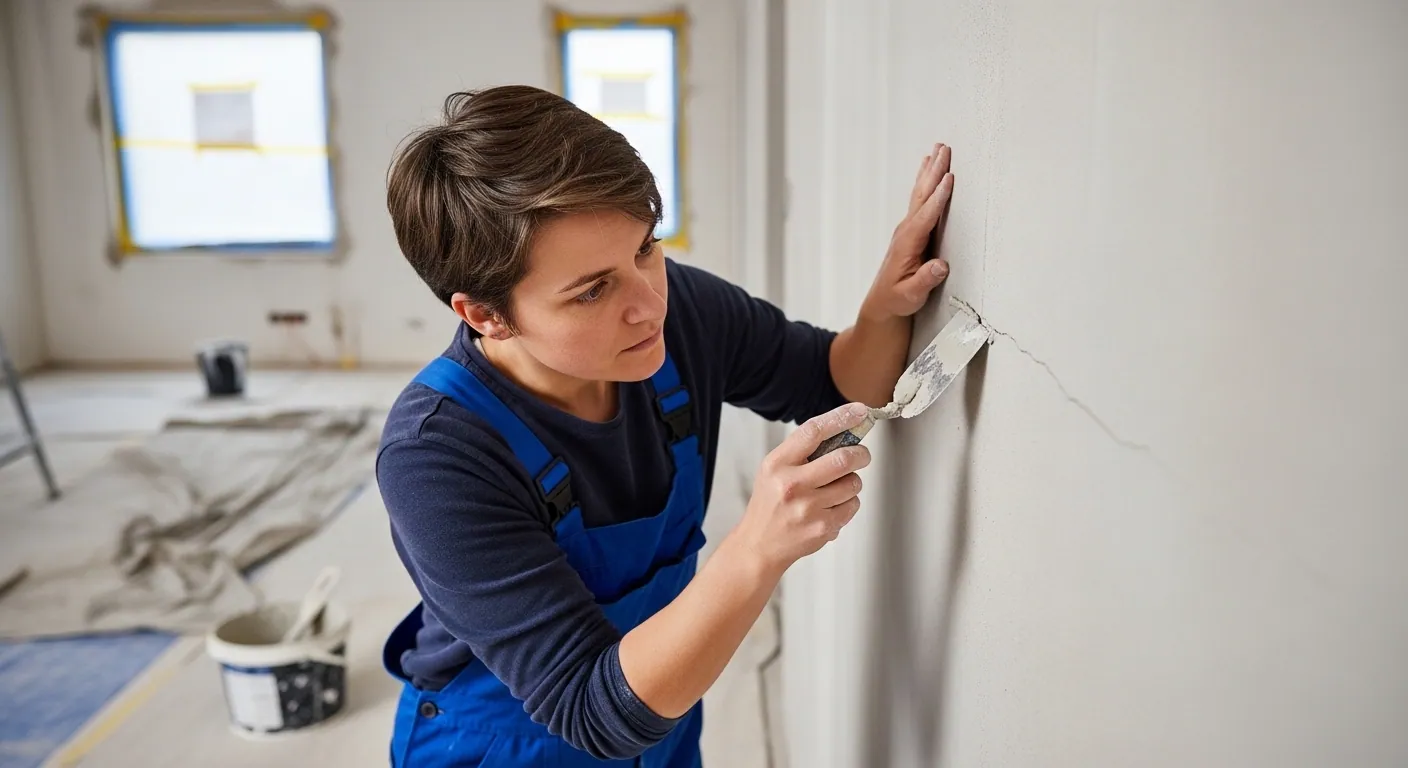
Paint peeling occurs when moisture trapped beneath coatings pushes paint away from plaster surfaces, creating unsightly bubbles and flaking requiring complete redecoration. Cracking develops as wet plaster continues shrinking after paint application, with stress causing fractures through both layers simultaneously. Mould growth flourishes when moisture remains sealed between plaster and paint, creating health hazards and black staining visible through decorative finishes.
Poor adhesion prevents paint bonding properly to damp surfaces, with coatings sliding or rubbing off easily during cleaning or contact. Uneven appearance results from wet areas absorbing paint differently than dry sections, creating patchy finishes with varying sheen levels and color saturation. Professional remediation costs exceed original decoration budgets significantly when premature painting failures demand complete stripping and replastering.
Preparing New Plaster for Painting
Plasterers Durham recommends systematic preparation ensuring optimal paint performance and longevity on freshly plastered surfaces.
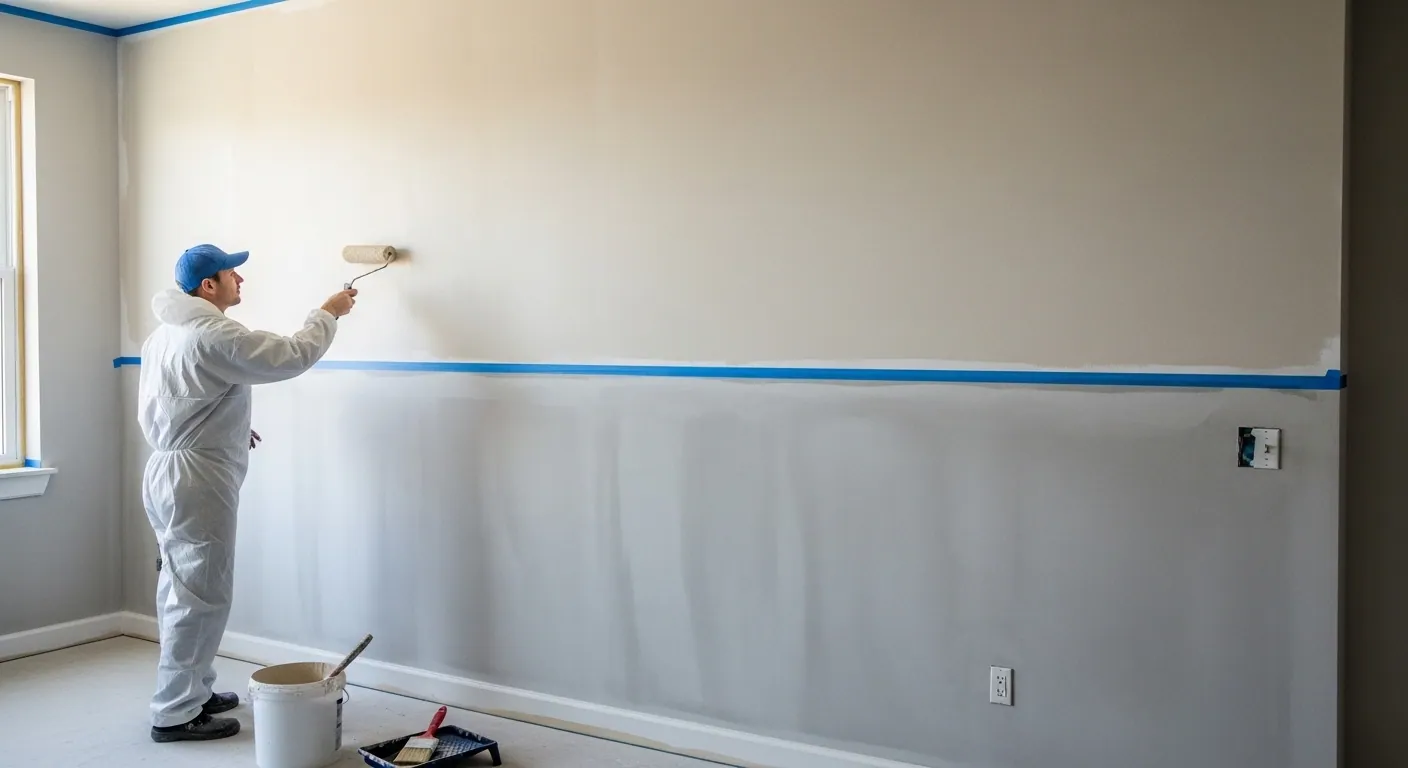
- Apply mist coat using 60-80% matt emulsion diluted with 20-40% water, allowing penetration that seals porous plaster while creating stable base for topcoats
- Allow 24 hours drying between mist coat and first proper paint layer, ensuring sealer cures completely before additional coatings
- Use quality primer specifically designed for fresh plaster when mist coats prove insufficient for high-moisture rooms like bathrooms or kitchens
- Avoid thick paint layers that trap moisture beneath heavy coatings, applying thin even coats with proper drying intervals instead
- Check ventilation ensuring adequate airflow during drying and painting phases, using dehumidifiers if ambient humidity exceeds 60%
Surface inspection identifies any remaining imperfections requiring light sanding with fine-grit sandpaper before decoration commences.
Factors That Speed Up or Slow Down Drying
Temperature control maintaining steady 18-22°C accelerates moisture evaporation without causing rapid drying that cracks plaster. Dehumidifiers extract atmospheric moisture enabling plaster to release water vapor more efficiently, potentially reducing drying times by 20-30%. Air circulation through open windows or fans moves moisture away from surfaces, though excessive airflow causes problematic rapid drying.
Thick applications require substantially longer drying periods, with backing coats needing weeks compared to days for thin skim finishes. Substrate type affects moisture absorption rates, with highly porous bricks drawing water faster than less absorbent plasterboard backing. Seasonal timing proves crucial, with autumn and spring offering ideal moderate conditions compared to humid winters or excessively dry summers.
Special Considerations for Different Room Types
New plaster in high-moisture environments demands extended drying periods and specialized preparation preventing decoration failures.
Bathrooms require minimum 6 weeks drying plus moisture-resistant primers creating vapor barriers that protect plaster from steam and splashing. Kitchens benefit from similar extended timelines with additional attention to areas near sinks, cookers, and appliances generating heat and moisture. Bedrooms and living rooms under normal conditions accept standard 4-week drying with conventional mist coat preparation.
Unheated spaces including garages or utility rooms need extra time during cold months when low temperatures slow evaporation dramatically. Period properties with solid walls and lime plaster require specialized assessment as traditional materials cure through carbonation rather than simple moisture evaporation. Plasterers Durham provides room-specific guidance ensuring decoration timing matches actual conditions rather than generic recommendations.
FAQs About Decorating After Plastering
How Long Does New Plaster Take to Dry Before Painting?
Skim coats typically dry within 7 days under good conditions, while thicker applications require 4 to 6 weeks for complete moisture evaporation. Check for uniform pale pink color and use moisture meters confirming readings below 12% before painting begins.
Can You Paint New Plaster After Just 3 Days?
Only very thin skim coats in ideal conditions with excellent ventilation might be ready after 3 days, but waiting longer reduces failure risks significantly. Most professionals recommend minimum 7 days even for optimal scenarios to ensure complete drying.
What Is a Mist Coat and Why Is It Necessary?
Mist coat consists of diluted emulsion paint (60-80% paint, 20-40% water) that seals porous new plaster while allowing residual moisture escape. This preparatory layer prevents topcoat absorption issues and ensures proper paint adhesion for lasting finishes.
How Can I Speed Up Plaster Drying Safely?
Maintain steady temperature around 20°C, use dehumidifiers to reduce ambient moisture, and ensure good ventilation without creating excessive drafts. Avoid artificial heat sources like heaters that dry plaster too rapidly causing cracking.
What Happens If You Wallpaper Over Wet Plaster?
Wallpaper paste and plaster moisture combine creating conditions for mould growth and adhesion failure. Wait for complete drying and apply appropriate sealers before wallpapering to prevent paste being absorbed unevenly causing bubbles.