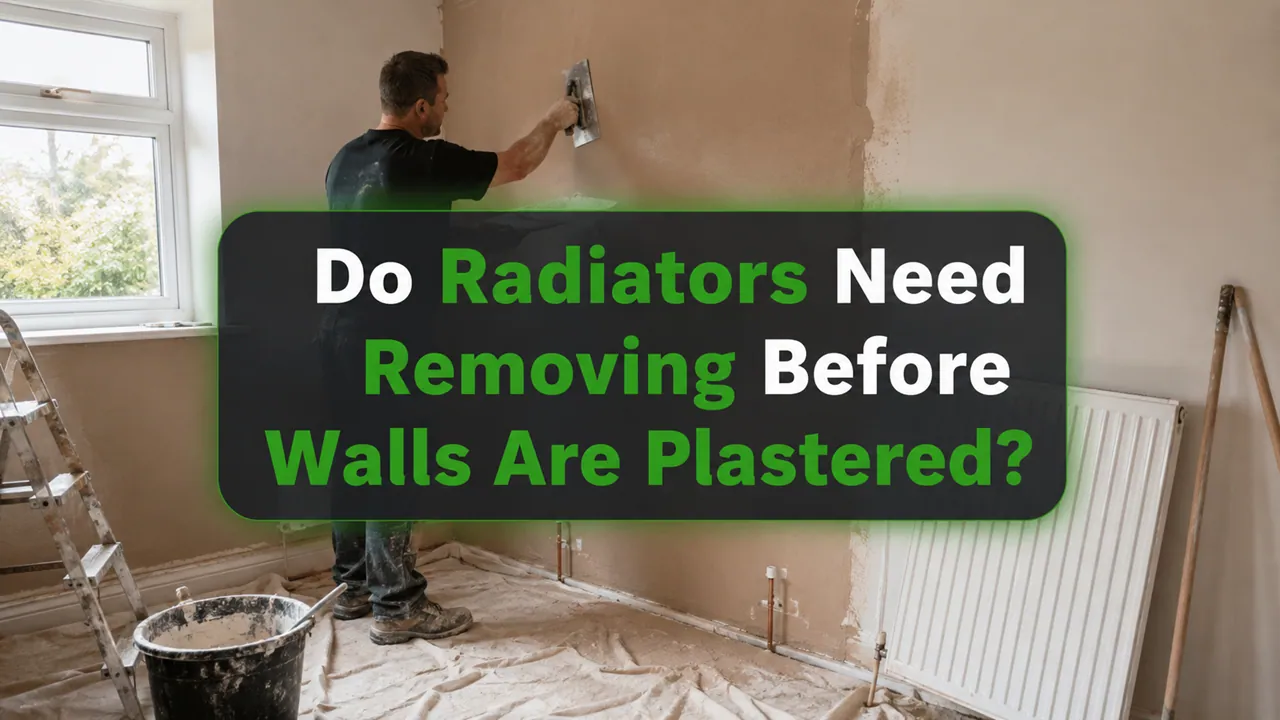
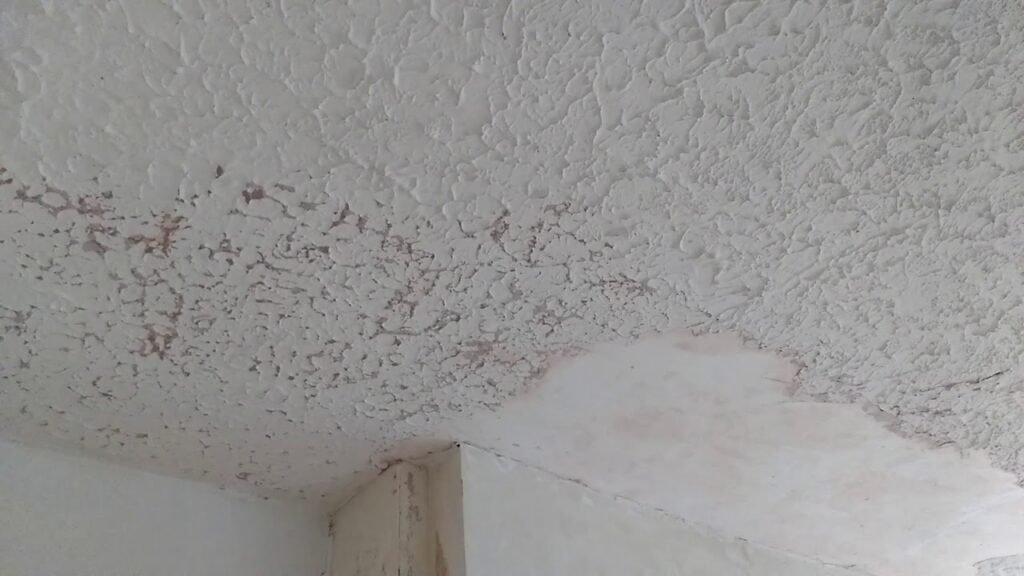
The first time I plastered over an Artex ceiling, I underestimated how aggressively those raised swirls interfered with surface preparation, substrate condition, and early adhesion failure indicators. Back then, I thought a confident skim would flatten everything. It didn’t. That moment shaped how I now approach these ceilings at Plasterers Durham, especially in older homes where Artex behaves unpredictably.
Plastering over Artex isn’t difficult, but it demands a structured method built around moisture control, correct bonding, and understanding how the ceiling responds to compression. This guide covers when it’s normal, how damp rooms affect results, what creates a smooth finish, and how to handle older surfaces safely.
Is It Normal to Plaster Over an Artex Ceiling in Standard Plastering Work?
Plastering over Artex is completely normal and widely accepted in modern plastering work.
Check The Substrate First
Older ceilings often require a normal plaster over Artex substrate inspection workflow to identify loose sections, cracks, or weak adhesion.
Evaluate Porosity and Suction
Artex usually has varied normal plaster over Artex surface porosity levels, which creates inconsistent plaster drying unless properly primed.
Assess Hydration Timing
The skim coat follows normal plaster over Artex hydration reaction stages, meaning timing your flattening passes makes the difference between smooth and uneven results.
At Plasterers Durham, we treat this step as essential for controlling finish quality in every Artex job.
Can You Improve Plaster Over an Artex Ceiling in Damp Rooms?
Damp rooms change how plaster behaves, often making the finish unpredictable.
- Stabilise Room Moisture
Humidity affects you improve plaster over an Artex ceiling damp rooms moisture control, altering how long the plaster stays workable. - Inspect The Artex Surface
Damp ceilings often reveal improve plaster over Artex patchy absorption anomalies, which cause streaking or uneven texture during skimming. - Use The Correct Bonding Agent
Moist environments require stronger improve plaster over Artex bonding agent properties to stop the skim coat from lifting.
Homes with older ventilation often need additional preparation before plastering begins.
Can You Improve Plaster Over an Artex Ceiling on Standard Ceilings?
Improving plaster over Artex starts with preparation and method.
Create An Even Foundation
Flattening high points reduces issues caused by you improve plaster over an Artex ceiling ceilings problems and provides a consistent skim base.
Follow A Two-Coat Skim Sequence
The skim behaves best when guided by improve plaster over Artex skim coat application sequencing, ensuring proper coverage.
Check For Early Defects
Use angled lighting to catch flaws highlighted by improve plaster over Artex visual defect evaluation before final polishing.
This approach produces professional flatness even across large ceilings.
Where Does Plaster Over an Artex Ceiling Matter Most for a Smooth Finish?
A smooth finish relies on understanding how the pattern interacts with the skim.
Control Compression Timing
Proper where plaster over Artex surface compression timing helps you flatten ridges without dragging material.
Spot Ridge and Pattern Peaks
Artex height dictates how much plaster your ceiling needs to cover where plaster over artex trowel ridge development.
Feather Edges Cleanly
Smooth transitions depend on where plaster over Artex edge feathering precision, especially around coving and wall junctions.
At Plasterers Durham, we use these checks before applying the final pass to guarantee a flawless finish.
What Reduces Problems When Plastering Over an Artex Ceiling Before Painting?
The period between drying and painting determines how the ceiling will look long-term.
- Let Plaster Cure Properly
Painting too early disrupts reduces plaster over an Artex ceiling curing cycle progression, causing dull patches. - Inspect The Dried Skim
Lighting exposes issues linked to reduces plaster over an Artex ceiling visual defect evaluation that can be corrected with light sanding. - Apply The Correct Mist Coat
Fresh skim has high reduced plaster over an Artex ceiling surface porosity levels, demanding diluted paint for proper sealing.
Skipping these steps often creates visible problems once the final paint coat goes on.
How Can You Plaster Over an Artex Ceiling on Ceilings for Best Results?
Plastering directly over aertex requires consistency and timing.
- Use A Strong Bonding Coat
Artex texture demands reliable plaster over Artex ceiling bonding agent properties to prevent peeling. - Follow A Two-Pass Trowel Technique
A proper plaster over Artex ceiling two-pass trowel technique ensures you flatten the skim evenly without leaving ridges. - Respect Material Behavior
Artex interacts with plaster differently depending on plaster over Artex ceiling surface tension irregularities, so keep pressure steady.
We apply this method routinely at Plasterers Durham to guarantee smooth, long-lasting ceilings.
Related Article: Can You Plaster a Ceiling Yourself?
How to Improve Plaster Over an Artex Ceiling in Older Houses
Older ceilings behave differently due to repairs, movement, and ageing materials.
Check For Historic Cracks
Older ceilings often show improve plaster over Artex microcracking formation, which must be reinforced before skimming.
Expect Inconsistent Suction
Surfaces may reveal improve plaster over Artex substrate suction variation, causing plaster to dry unevenly.
Blend Undercoats for Stability
Applying a controlled preparatory layer guided by improve plaster over Artex undercoat blending methodology strengthens fragile surfaces.
During an Artex ceiling plastering Durham project, we found multiple repair layers beneath the Artex, each affecting plaster behavior differently—typical of older homes in the area.
FAQs About Plastering Over an Artex Ceiling
1. Can You Plaster Over an Artex Ceiling Safely?
Yes. As long as the surface is stable and primed correctly, skimming over Artex is a standard method used by professionals such as Plasterers Durham.
2. Do You Always Need to Remove Artex First?
No. Removal is only required if the Artex is loose, contaminated, or structurally weak. Most ceilings can be plastered over safely.
3. Will The Artex Pattern Show Through the New Plaster?
Not if the skim coat is applied with proper timing and thickness. Poor flattening or rushed work may reveal faint texture.
4. Does Plastering Over Artex Take Longer?
Yes, because preparation is more detailed. Texture depth, suction variation, and bonding conditions all affect timings.
5. Can You Plaster Over Artex in Damp Rooms?
You can, but moisture must be controlled first. High humidity complicates curing and bonding, leading to potential defects.
6. How Long Before I Can Paint a Newly Skimmed Artex Ceiling?
Usually, 3 to 7 days. The plaster must be fully dry to avoid patchy or uneven paint finishes.
7. Should Older Artex Ceilings Be Reinforced Before Plastering?
Yes. Older ceilings often need added support to prevent cracks returning through the skim coat.