Most DIY enthusiasts view a bag of backing plaster as a simple filler that should behave like thick mud. I have seen this costly mistake lead to sagging surfaces and a literal breeding ground for moisture traps that eventually cause the finish coat to peel away. At Plasterers Durham we have discovered that learning how long does bonding take to dry is not just about checking the clock but about managing the suction of the masonry to ensure a permanent anchor.
If you are looking for a structural wall solution you must understand that the wet mix is only the start of the chemical hydration. The real transformation happens deep inside the layer where the gypsum crystals remain active and can even fail through rapid dehydration that ruins your bond. This creates an aesthetic disaster and a pocket of soft material that can invite cracking into your healthy interior.
Why a One-Hour Set Is Often a Homeowner Fantasy
Many people assume that because the surface feels firm to a fingertip, they can start skimming immediately. In my experience this is the most common myth in renovation maintenance because bonding is a high-build material that requires internal stability. When you investigate how long does bonding take to dry through a rushed lens, you are essentially trying to bypass the natural evaporation that prevents the finish from “blowing” off the wall.
The most effective strategy involves allowing the undercoat to pull in naturally without forced heat. At Plasterers Durham we recommend a realistic window of two to four hours for the initial set, though a full cure for painting takes much longer. If you rush this process you will end up with a stubborn damp patch that refuses to accept a top coat even after several days of waiting.
Vital Stages of a Professional Bonding Application
1. The Suction Control and Application Phase
If you are working on high-suction common bricks, you can often win the fight by pre-treating the wall with a bonding agent. You must stop the masonry from drinking the water out of the mix to ensure you have enough “open time” to flatten the surface.
2. The Firming and “Keying” Process
For larger challenges where the wall is particularly uneven, a secondary pass with a scratch comb is the undisputed king of preparation. This method is the favorite at Plasterers Durham because it provides a massive amount of mechanical grip for the following multi-finish layer to grab onto.
3. The Natural Curing and Color Change
You can use natural ventilation to manage the speed of the dry-out while keeping the room temperature steady. This method is highly effective but requires a timeframe of at least twenty-four hours to ensure the chemical set is deep enough to support the weight of the final skim.
4. Avoiding the Trap of Forced Drying
Gaps in your patience are a traditional mistake that works poorly if you point a space heater directly at wet bonding. You must use professional Plasterers Durham insights to ensure the edges do not curl or “burn” before the center has had time to stabilize.
Why Base Coat Integrity Outweighs Finishing Speed
When you evaluate how long does bonding take to dry the primary factor should always be the thickness of the application. If you plan to straighten a wonky Victorian wall with a deep fill, you cannot afford to have a soft core shifting the weight of your finish plaster. A professional application removes the risk of hollow spots and leaves behind a solid foundation that actually improves your thermal mass over time. Following best practices and material guidance from trusted manufacturers such as British Gypsum ensures your bonding coat performs correctly and dries within the recommended timeframe.
I have witnessed homeowners spend hours trowelling only to realize they have “killed” the plaster by over-working it. Choosing a professional path with Plasterers Durham saves your arms and ensures the ugly map-cracking is avoided before the next trade arrives on site. It is the only way to guarantee a level wall that looks like it was cast in a single piece.
Mandatory Kit for Monitoring Your Walls
If you decide to take on a backing project you will need a specific set of tools to ensure success. Proper preparation is the difference between a successful weekend and a devastating week of hacking off failed plaster.
- A heavy-duty mixing paddle for achieving a creamy, lump-free consistency that sticks to the wall.
- A sharp stainless-steel trowel to guard against “dragging” the mix and creating air pockets.
- A high-quality straight edge or featheredge to initiate a perfectly flat plane across the joists.
- A standard spray mister for prying out a bit more workability if the wall starts to pull too fast.
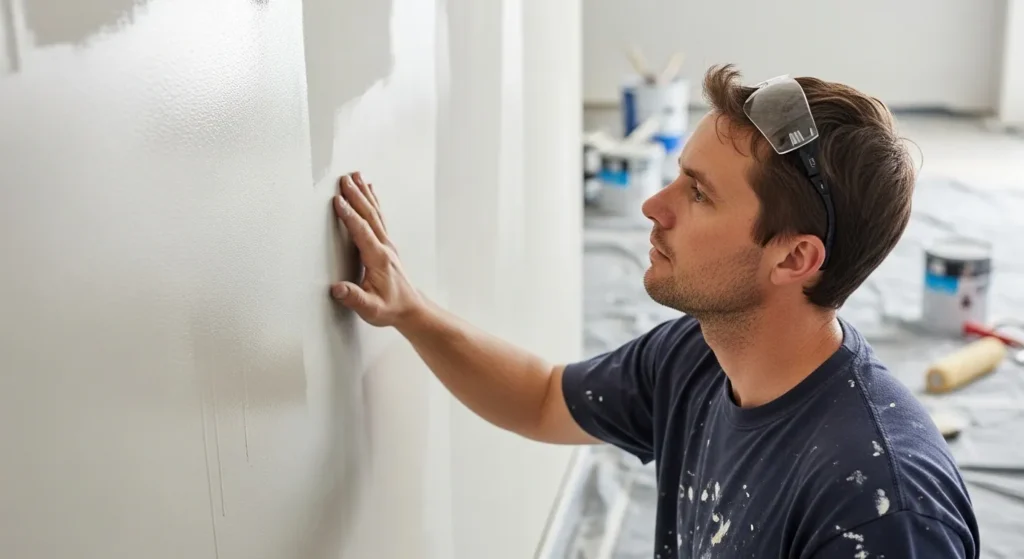
At Plasterers Durham we always suggest checking the “knuckle test” before moving to the next stage to avoid hitting soft spots. Once the surface resists a firm press, you can accurately judge if you have the right timing for the task or if you need to let it “breathe” for another hour. This is often the most efficient way to manage how long does bonding take to dry without wasting expensive materials.
Solving the Procedural Puzzle of Plaster Curing
Identifying the Risks of Cold Damp Weather
The air to moisture ratio is often the hardest part to master in winter but it must be managed to stop efflorescence salts from rising.
Controlling the Internal Room Humidity
Some houses have poor airflow which can damage the set by keeping the plaster in a “green” state for too long.
Working with Diverse Substrates
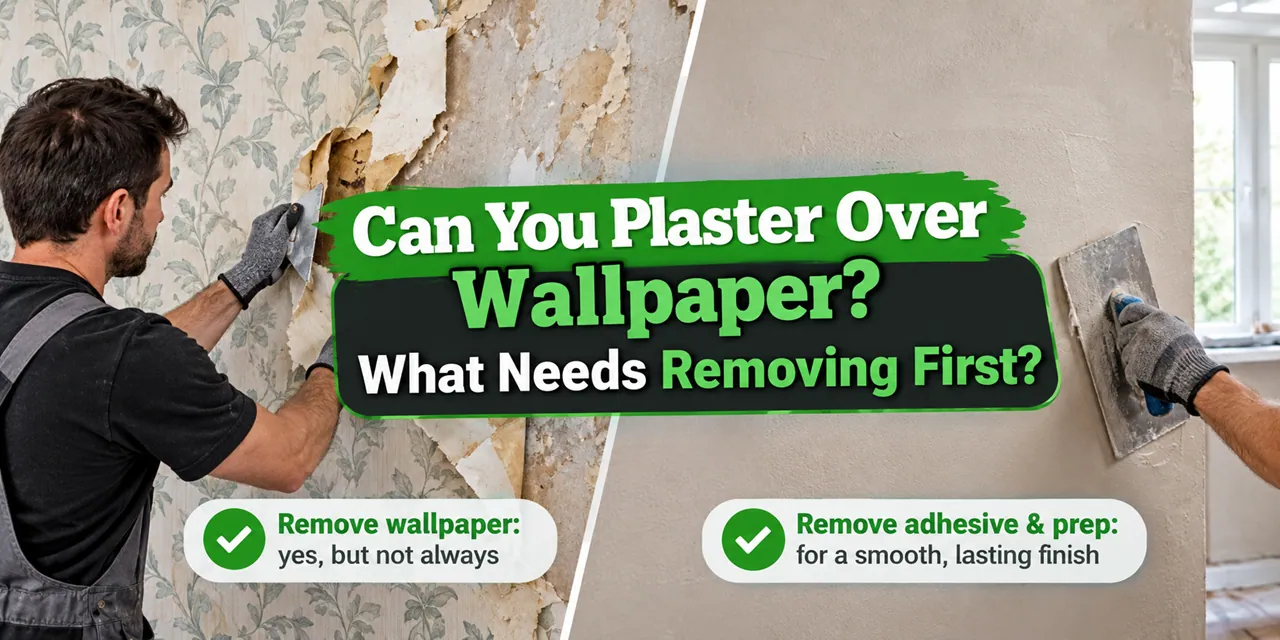
Trying to apply bonding over gloss paint or dusty lath is a recipe for disaster because the lack of adhesion makes a secure set nearly impossible.
Smart Strategies for Multi-Layer Work
You will likely end up with more mess than you expect so plan for a clean-up station with fresh water.
Preserving Your Interior Walls for the Future
Bonding is not just a filler because it creates the acoustic and fire-resistant core of your home. As the moisture leaves the material it can pull calcium to the surface which leads to a hard, grey shell. I have seen beautiful re-skimming plans ruined because the base coat was allowed to dry too fast without any thought for the shrinkage rates. I have seen beautiful re-skimming plans ruined because the base coat was allowed to dry too fast without any thought for the shrinkage rates. If not managed correctly, these issues can lead to defects, which is why understanding why plaster cracks during drying is essential for maintaining a flawless finish.
By focusing on how long does bonding take to dry now you are protecting the long-term value of your entire renovation. At Plasterers Durham we believe in proactive prep that removes damp risks before they can jump to your luxury wallpaper or expensive paint. A solid base is the secret to a high-end finish and fixing the flaws of a rushed undercoat is the final step in that journey.
Frequently Asked Questions
What Is the Fastest Way to Get Bonding Ready for Skimming?
If the room is cold then a small dehumidifier is your only choice. However, I tell my clients that the “pink” color of the finish coat is the only true indicator of dryness. It still takes time for the moisture content to drop but it is better than a “blown” wall that needs to be redone.
Will The Bonding Keep Expanding After It Is Set?
No but it will shrink slightly as the water leaves the mix. If you do not tackle the suction with a primer first you will be chasing hairline cracks for the next month. This is why knowing how long does expanding foam take to dry or bonding times is vital for a flat finish.
Is It Safe to Paint Directly onto Bonding?
It is risky because the surface is too porous and the texture is too coarse. I have seen paint flake off in sheets within a week. You must always apply a finish skim coat or a dedicated filler before you even think about opening a tin of emulsion.
Can I Apply Bonding Over an Old Damp Wall?
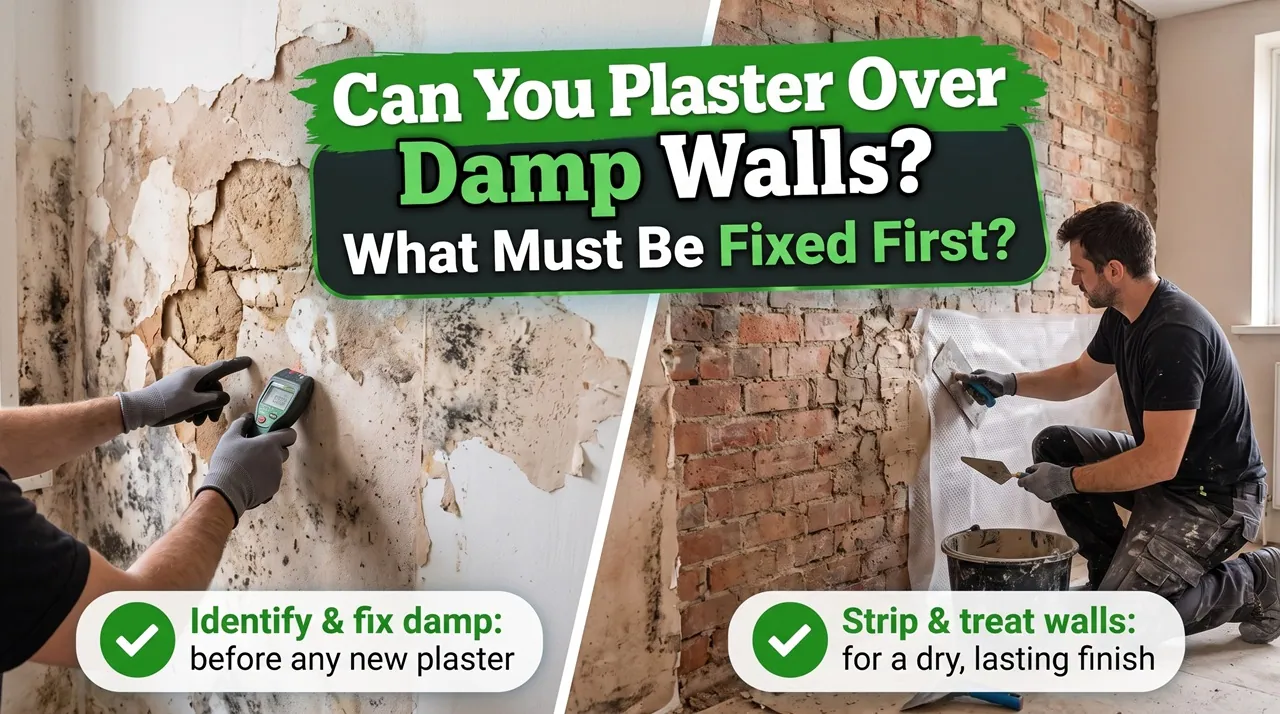
I strongly advise against this until the source of the damp is fixed. Plaster acts like a sponge and will pull the groundwater into your new finish. If you apply it too early you could face a salt problem that stays on your wall for years.
Why Do Professional Plasterers Prefer Bonding Over Hardwall?
Hardwall is great for masonry but bonding is surgical for low-suction surfaces like concrete or engineering bricks. At Plasterers Durham we can achieve a flat base on even the most difficult backgrounds without disturbing the delicate architectural features of the room.